
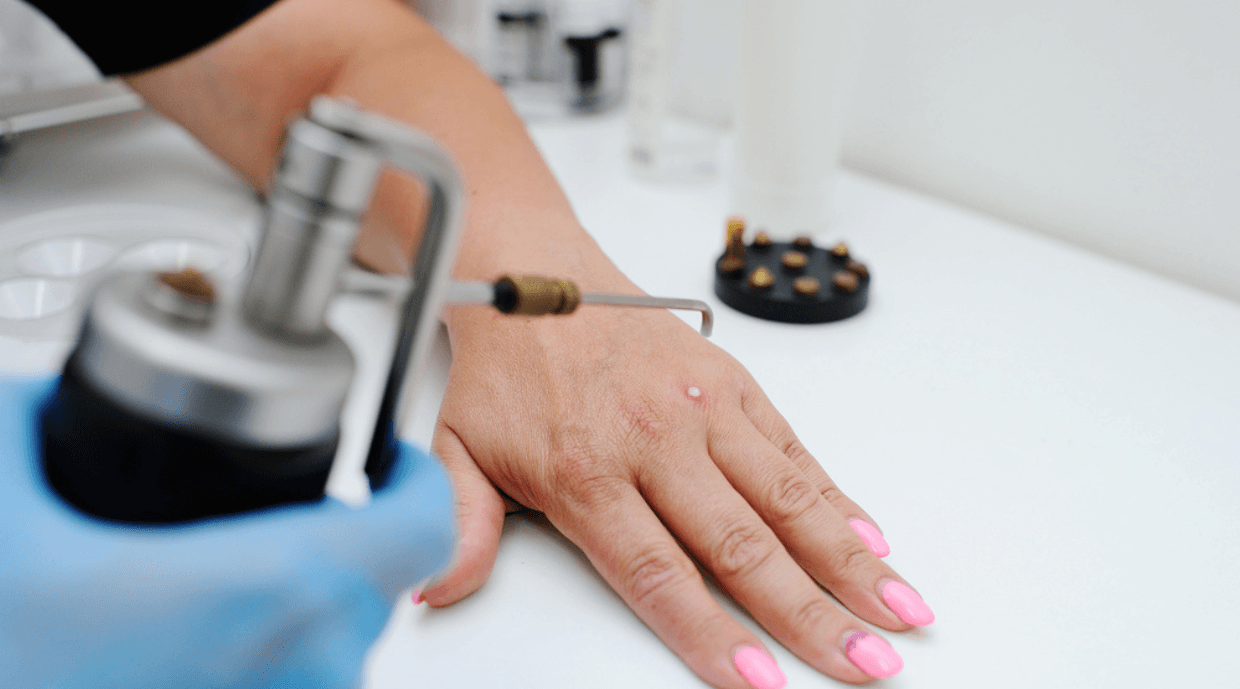
A wart usually starts as a small bump. It might seem easy to ignore at the beginning. Then it starts catching your attention while shaving or washing your face.
For some people, it stays small.
For others, it becomes irritating and spreads slowly.
It might start showing up in intimate places and makes you feel uncomfortable. This is the place where people start looking for wart removal treatment.
Warts are common skin growths and can be treated safely. Finding the right approach is important which needs professional assistance. This read explains how treatment works and what to know before considering wart removal treatment in Bangalore.
What Exactly Is a Wart?
A wart is a small skin growth. It develops because of a viral infection in the outer layer of the skin. They can appear on the face and in intimate areas.
Some remain small and unchanged for a long time. Others become rough and raised. It might start to multiply slowly.
Some warts look flat. Some are thick and textured. Some appear in clusters. Proper skin evaluation is crucial before deciding on treatment.
Why People Choose Wart Removal
Warts are usually harmless. But it does not mean they always stay easy to ignore. Many people live with them for a while until they start becoming more noticeable in daily life.
- A wart on the neck may catch on chains or collars.
- One on the hand may stand out during work and daily routines.
- A small wart on your face can slowly become something you notice every time you look in the mirror.
Some warts stay the same for years. But others may become rougher and slightly larger. They might start appearing in nearby areas. When this happens, people often prefer to get them checked.
That is usually the point where people begin considering wart removal in Bangalore.
Is Wart Removal Safe?
For most people, yes.
Wart removal is safe when the skin is assessed properly before treatment.
The first step is understanding what kind of wart it is. Not every skin bump is a wart and not all warts behave the same way. A trained skin professional looks at:
- size and texture
- depth of the growth
- number of lesions
- location on the body
- whether it has spread or changed
If you understand this, the treatment can be planned more safely.
Wart Removal Procedure – How It Is Done
The exact method depends on the type of wart and the depth. The procedure focuses on removing the wart carefully with minimal disturbance to surrounding skin.
Skin assessment
The wart is examined closely to understand its type and depth. This helps determine the most suitable treatment method.Choosing the right treatment
For smaller warts, laser based treatment may sometimes be used. Other cases may be better suited for radiofrequency removal or controlled surface removal.Preparing the area
The skin is cleaned and local anaesthesia may be used. So the area feels comfortable during treatment.
Controlled removal
The wart is removed carefully with attention to preserving nearby healthy skin. The goal is performing clean and controlled treatment.Aftercare guidance
After completing the procedure, the area is protected and simple aftercare instructions are explained.
In many cases, treatment sessions are fairly quick. This is why people looking for the best clinic for wart removal often pay attention to how carefully treatment is planned.
Genital Warts – What is it?
Genital wart removal needs a little more care because the skin in intimate areas is more sensitive.
These warts can appear in men and women and may feel uncomfortable. Many people delay treatment because they feel awkward bringing it up. But it is a very common concern seen in skin clinics.
The treatment approach depends on the number of lesions and skin sensitivity. Early assessment usually makes treatment more manageable.
Wart Removal for Men and Women
Wart removal for men is usually sought for areas like the face, neck, beard line, underarms, and intimate areas. Warts may become more noticeable because of shaving, sweat or grooming habits.
Wart removal for women is often considered for the face, neck, underarms or intimate areas. The concern is not always discomfort alone. Visible skin changes can gradually affect confidence when the wart becomes more noticeable.
Will Wart Removal Leave a Mark?
This is the most common question.
Any skin procedure needs healing time. So a temporary mark, redness, or slight sensitivity can happen. But careful technique helps minimize unnecessary skin trauma.
Healing usually depends on:
- the size of the wart
- the area being treated
- skin type and healing tendency
- how well aftercare is followed
What to Expect After Treatment
After treatment, the area may feel mildly sensitive or look slightly red for a short period. A small protective crust may form while the skin heals.
For the first few days:
- keep the area clean
- avoid scratching or picking
- reduce friction on the treated skin
- protect the area from direct sun exposure
Most people return to their normal routine right after treatment.
Wart Removal & Mole Removal – The Difference
People often confuse warts and moles. But they are different skin concerns. A wart develops because of a viral skin growth. A mole develops from pigment producing skin cells.
This means treatment planning also differs. Someone considering mole removal treatment in Bangalore may need a different approach from someone seeking wart treatment.
Proper diagnosis helps avoid unnecessary treatment and gives better results.
Final Thoughts
Most people don’t really think much about a wart in the beginning. It is small and easy to ignore. But over time, the same spot can start to stand out.
The reassuring part is, wart treatment doesn’t have to feel complicated. When the skin is properly checked first and the right method is chosen, removal is usually a smooth process.
If you have been noticing a wart which is bothering you, Keza offers a simple approach to evaluation and care. Visit Keza to explore safe and professional wart removal treatment in Bangalore.
01. Is hair loss treatment painful?
Most treatments are minimally invasive. There is a chance you might experience mild discomfort during PRP or GFC procedures.
02. How fast can I expect results?
Hair regrowth is gradual. You can see the visible improvement after a few sessions.
03. Can a hair transplant provide permanent results?
Yes. Modern techniques like FUE and FUT offer natural looking and long lasting outcomes.
04. Are PRP and GFC treatments suitable for everyone?
These treatments are generally safe. But you need a consultation to ensure suitability based on hair and scalp health.
05. How to prevent future hair loss?
Eat healthy and find a way to manage stress. Try to stick to a proper hair care routine.


