
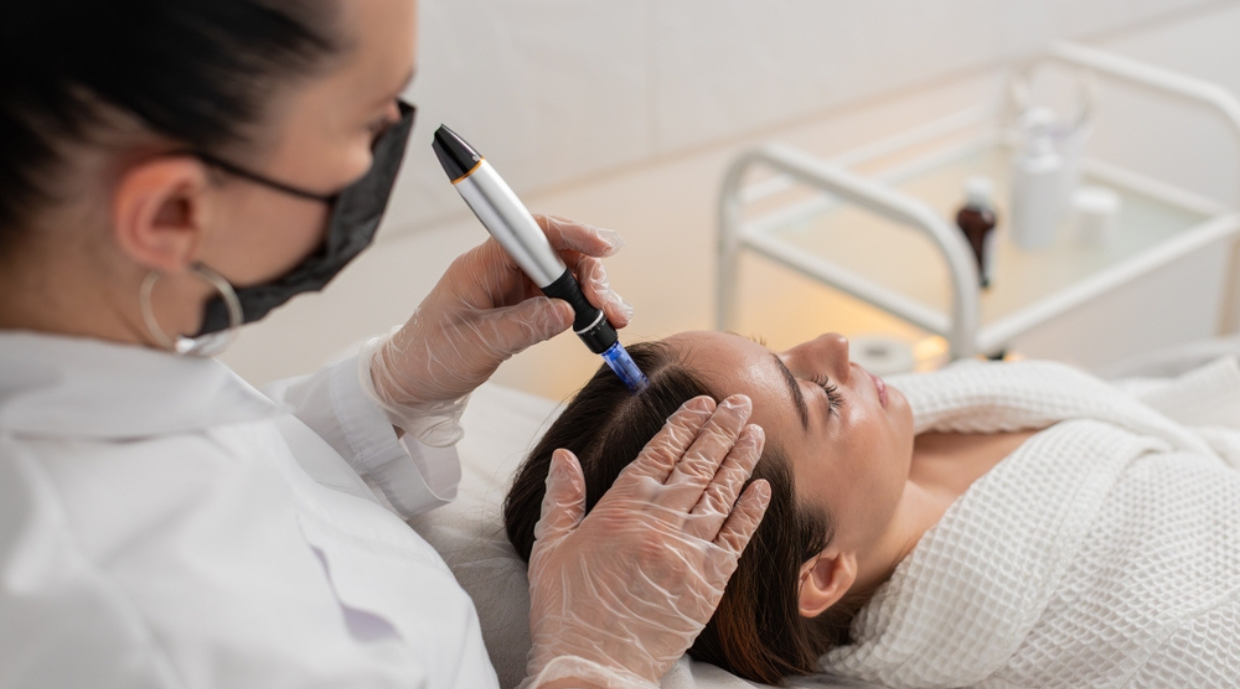
H2: What Is a Skin Tag?
A skin tag is a small, soft growth that hangs from the skin. It is usually harmless and painless. Skin tags often appear on the neck, underarms, eyelids, groin, or under the breasts. They develop where skin rubs against skin or clothing over time and are more common in adults.
H3: Where Do Skin Tags Commonly Appear?
Skin tags usually appear in areas where the skin rubs against skin, clothing, or jewellery. Moisture and repeated friction can make these growths more likely to appear.
Common areas include:
- Neck
- Underarms
- Eyelids
- Groin
- Under the breasts
- Upper chest
- Inner thighs
H3: Are Skin Tags Harmful?
Skin tags are usually harmless and do not cause pain. However, they may become irritated if they rub against clothing or jewellery. During removal, you may feel slight pain, stinging, or discomfort for a short time. A doctor may use a numbing cream or local anaesthesia to make the procedure more comfortable.
2. Do Skin Tags Need to Be Removed?
Most skin tags do not need treatment because they are harmless. Removal is usually considered only when a skin tag causes discomfort, becomes irritated, affects daily activities, or creates a cosmetic concern.
When Removal May Not Be Necessary
A skin tag may be left untreated when it is small, painless, and not changing in appearance. Many people live with skin tags without experiencing any health problems.
Knowing common skin tag causes, such as repeated rubbing between skin folds, can also help you reduce irritation. However, avoiding friction may not completely prevent new skin tags from developing.
When Skin Tag Removal Should Be Considered
You may consider removal when a skin tag:
- Rubs against clothing or jewellery
- Becomes irritated during shaving
- Causes pain or discomfort
- Bleeds repeatedly
- Affects eyesight when present on the eyelid
- Makes you feel uncomfortable about your appearance
A dermatologist can examine the growth and recommend a suitable skin tag removal treatment based on its size and location.
Signs That Require a Dermatologist’s Evaluation
A skin growth should be checked by a dermatologist if it suddenly becomes painful, grows larger, changes colour, bleeds without clear irritation, or looks different from your other skin tags.
You should also seek medical advice if many new skin tags appear within a short period. Other skin growths, including warts and moles, may sometimes look like skin tags, so a proper diagnosis is important.
3. What Is the Best Skin Tag Removal Treatment?
There is no single treatment that is best for everyone. The right option depends on the size, thickness, number, and location of the skin tags.
Common professional treatments include freezing, cauterisation, surgical removal, and ligation. A dermatologist will recommend the safest method after examining your skin.
Factors That Determine the Right Treatment
A dermatologist may consider the following factors before choosing a treatment:
- Size of the skin tag
- Thickness of its stalk
- Location on the body
- Number of skin tags
- Level of irritation or bleeding
- Skin type and risk of pigmentation
- Medical history and current medicines
These factors help the doctor choose a skin tag removal treatment that is appropriate for the individual.
Why There Is No Single Best Method
Different methods work better for different types of skin tags. A small tag may be easily removed with sterile scissors, while another tag may be more suitable for cryotherapy or electrocautery.
Sensitive areas, such as the eyelids, may require additional care. The treatment should therefore be selected according to the growth rather than using the same method for every person.
Importance of Professional Diagnosis
A professional diagnosis confirms whether the growth is actually a skin tag. Warts, moles, seborrhoeic keratoses, and certain other skin conditions can sometimes look similar.
A dermatologist may recommend further testing when the growth has an unusual appearance. Diagnosis before removal reduces the risk of using the wrong treatment on a different type of skin lesion.
4. What Are the Main Skin Tag Removal Methods?
Professional skin tag removal is normally performed during a clinic appointment. The doctor may numb the area before treatment, especially when the tag is large or located in a sensitive area.
Cryotherapy for Skin Tags
Cryotherapy removes a skin tag by freezing it with liquid nitrogen. The cold temperature damages the skin tag tissue and stops it from surviving.
A small blister or scab may form after treatment. The skin tag usually dries and falls away as the area heals. Some skin tags may require more than one session.
Electrocautery for Skin Tags
Electrocautery uses controlled electrical heat to destroy or remove the skin tag. It can also help seal small blood vessels and control bleeding during the procedure.
A scab usually forms over the treated area. The scab should be allowed to fall away naturally rather than being picked or scratched.
Surgical Snipping or Excision
During surgical snipping, the doctor removes the skin tag with sterile scissors or a surgical blade. The area may first be cleaned and numbed.
Small skin tags can often be removed quickly. Larger tags or those with a broad base may require a more careful surgical excision and wound dressing.
Laser Skin Tag Removal
Laser treatment uses focused light energy to remove selected surface skin growths. It may be considered when precision is important or when a clinic has suitable laser equipment.
Laser treatment is not necessary for every skin tag. Its suitability depends on the size and location of the growth, the person’s skin type, and the experience of the medical professional.
Ligation Treatment
Ligation involves tying medical thread around the narrow stalk of a skin tag. This blocks the blood supply, causing the tag to dry and fall away.
Although the method sounds simple, it should only be performed or advised by a qualified medical professional. Tying a growth at home can lead to bleeding, infection, or treatment of a growth that is not a skin tag.
6. Which Treatment Is Best for Different Types of Skin Tags?
The most appropriate treatment depends on the type and location of the skin tag. A dermatologist should examine the area before recommending a procedure.
Best Treatment for Small Skin Tags
Small skin tags may be removed through snipping, cryotherapy, or electrocautery. The doctor may select the method based on whether the tag has a thin stalk and whether it is located in an easy-to-treat area.
Very small tags may require little or no numbing medicine, although mild discomfort is still possible.
Best Treatment for Large Skin Tags
A large skin tag may have a thicker stalk or a wider base. Surgical removal may be considered because it allows the doctor to remove the growth directly and control any bleeding.
Local anaesthesia may be used to reduce discomfort. In some cases, the removed tissue may be sent for testing if the diagnosis is uncertain.
Best Treatment for Neck Skin Tags
Neck skin tags often become irritated by collars, chains, scarves, or shaving. Snipping, freezing, and electrocautery may all be considered.
The dermatologist will also consider the risk of a visible mark or pigmentation change before choosing a skin tag removal treatment for the neck.
Best Treatment for Eyelid Skin Tags
Eyelid skin tags require careful treatment because they are close to the eye. Depending on their exact position, they may be removed by a dermatologist or an eye specialist.
Cutting, freezing, or applying creams near the eye at home is unsafe. Professional treatment protects the eye and surrounding skin.
Best Treatment for Multiple Skin Tags
Several skin tags may sometimes be treated in one appointment. The doctor may use one method or combine methods depending on the sizes and locations of the tags.
When many skin tags appear suddenly, a dermatologist may ask about medical history and recommend further evaluation before beginning treatment.
7. Is Professional Skin Tag Removal Safe?
Professional skin tag removal is generally safe when the growth is correctly diagnosed and the procedure is performed by a qualified medical professional.
However, every skin procedure has some risk. The doctor should explain the expected results, possible side effects, and aftercare before treatment.
How Dermatologists Perform the Procedure Safely
The dermatologist first examines the growth and confirms the diagnosis. The treatment area is then cleaned, and numbing medicine may be applied when needed.
Sterile or properly prepared equipment is used to reduce the risk of infection. The doctor may also control bleeding and cover the area with a dressing after the procedure.
Possible Risks and Complications
Possible complications include bleeding, infection, scarring, burns, and changes in skin colour. Some methods may not remove the complete skin tag during the first session.
Professional treatment cannot guarantee that there will be no mark. However, correct treatment and proper skin tag removal aftercare can reduce avoidable complications.
Who May Need Additional Precautions?
Tell your doctor if you:
- Take medicines that affect bleeding
- Have diabetes or delayed wound healing
- Have a history of raised or thick scars
- Are pregnant
- Have allergies to anaesthetic medicines or dressings
- Have an active skin infection near the treatment area
The doctor may adjust the procedure or provide special care instructions based on your health and medical history.
8. Can Skin Tags Be Removed Safely at Home?
Trying to remove a skin tag at home is not recommended. The growth may bleed heavily, become infected, or leave a scar.
There is also a risk of mistaking a mole, wart, or another skin growth for a skin tag. A dermatologist should confirm the diagnosis before removal.
Are Skin Tag Removal Creams Safe?
Products sold as skin tag removal creams may contain strong ingredients that irritate or burn the skin. They may also damage the healthy skin around the growth.
Some products may not be medically approved or properly tested. Do not apply a removal cream without advice from a qualified healthcare professional.
Can You Cut Off a Skin Tag?
Cutting off a skin tag at home can cause pain, uncontrolled bleeding, infection, and scarring. Household scissors or blades may also carry bacteria.
A doctor uses sterile instruments, confirms that the growth is a skin tag, and can control bleeding safely during the procedure.
Can You Tie a Skin Tag With Thread?
Tying thread or dental floss around a skin tag at home is risky. The area may become painful, swollen, or infected.
Ligation may be used in selected cases, but it should be performed or recommended by a medical professional after confirming that the growth is suitable.
Can Wart Remover Be Used on Skin Tags?
Wart removers are designed for warts, not skin tags. They may contain acids or freezing agents that damage the surrounding skin.
Skin tags and warts are different growths. Using the wrong treatment may lead to burns, ulcers, pain, or scarring.
Do Natural Remedies Work?
Remedies such as apple cider vinegar, tea tree oil, and vitamin E are often discussed online, but there is limited evidence that they safely remove skin tags.
Apple cider vinegar and essential oils may irritate the skin or cause chemical burns and allergic reactions. Professional medical advice is safer than testing an unproven remedy.
9. What Happens During a Skin Tag Removal Appointment?
A skin tag removal appointment normally begins with an examination. The dermatologist will explain whether treatment is needed and which method is appropriate.
Skin Examination and Diagnosis
The doctor examines the growth’s colour, texture, shape, size, and attachment to the skin. They may also ask when it appeared and whether it has changed or caused bleeding.
Most skin tags can be diagnosed through a physical examination. Testing may be recommended if the growth looks unusual.
Choosing the Appropriate Treatment
The dermatologist chooses a treatment based on the size, number, and location of the tags. They may also consider your skin type, medical history, and risk of scarring.
You can ask about discomfort, recovery, cost, and possible side effects before agreeing to treatment.
Preparing the Treatment Area
The area is cleaned before removal. A numbing cream or local anaesthetic injection may be used when the skin tag is large, sensitive, or located in an uncomfortable area.
You may feel a small sting when local anaesthesia is given.
Removing the Skin Tag
The doctor may freeze, burn, cut, or tie the skin tag, depending on the selected method. Some tags are removed immediately, while frozen or tied tags may take time to fall away.
Bleeding is controlled when necessary, and the treated area may be covered with a small dressing.
Receiving Aftercare Instructions
Your doctor will explain how to look after the area at home. Skin tag removal aftercare may include keeping the area clean, changing the dressing, avoiding scratching, and watching for signs of infection.
Follow the instructions given by your doctor because wound care can differ according to the treatment used.
10. What Should You Expect After Skin Tag Removal?
You may notice mild redness, tenderness, swelling, or a small scab after treatment. These effects usually improve as the skin heals.
Avoid touching or picking the treated area because this may delay healing and increase the chance of infection or scarring.
Is Skin Tag Removal Painful?
Skin tag removal may cause mild pain, stinging, heat, or pressure. The level of discomfort depends on the method, tag size, treatment location, and your sensitivity.
A numbing cream or local anaesthetic may be used to make the procedure more comfortable.
How Long Does the Procedure Take?
A small skin tag may be treated within a few minutes. The appointment may take longer when several tags are being removed or when the growth is large or located near the eye.
The dermatologist can provide a better estimate after examining the area.
How Long Does Healing Take?
Healing time depends on the treatment method and location. A small wound from snipping may settle within several days, while a scab from cryotherapy or electrocautery may take one to three weeks to heal.
Contact your doctor if pain, redness, swelling, warmth, or discharge becomes worse instead of improving.
Does Skin Tag Removal Leave a Scar?
A small scar or temporary colour change is possible after any removal procedure. The risk may depend on the tag’s size, the treatment method, your skin type, and how the wound is cared for.
Do not pick the scab. Follow the doctor’s wound-care instructions and protect the healed area from strong sunlight when advised.
Can Skin Tags Grow Back?
A completely removed skin tag usually does not grow back in the same place. However, a new skin tag may develop nearby or on another part of the body.
Continued friction, skin folds, age, genetics, pregnancy, and certain health conditions may contribute to the development of new tags.
11. How Much Does Skin Tag Removal Cost?
The cost of skin tag removal varies between clinics. An exact price usually cannot be given until the doctor examines the skin tags and decides which procedure is suitable.
Factors That Affect Treatment Cost
The cost may depend on:
- Number of skin tags
- Size and thickness
- Location on the body
- Removal method
- Need for local anaesthesia
- Doctor’s consultation fee
- Need for laboratory testing
- Follow-up care
Ask the clinic what is included in the quoted price before booking treatment.


