
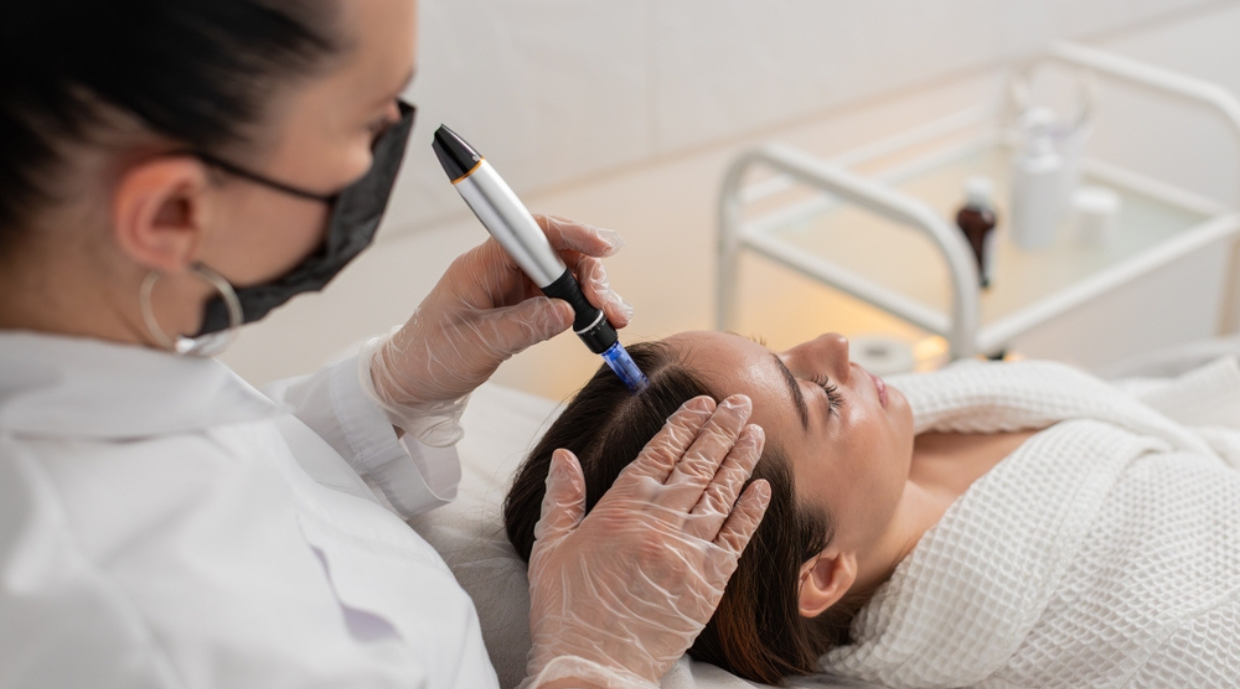
One of the most common questions people ask before microblading eyebrows is whether the procedure hurts.
The experience is different for everyone, but most people describe microblading as mildly uncomfortable rather than severely painful. A numbing product is usually applied before the treatment to make the process more comfortable.
If you are searching for eyebrow microblading near me, it helps to know what happens before, during and after the procedure. Understanding the treatment can make it easier to decide whether microblading is the right option for you.
1. Does Eyebrow Microblading Hurt?
Microblading may cause a light scratching, pressure or stinging sensation.
The level of discomfort depends on your pain tolerance, skin sensitivity and how the procedure is performed. Some people feel very little, while others may notice more sensitivity during certain parts of the treatment.
Because a numbing cream is commonly used, the procedure is usually manageable for most people.
2. What Happens Before the Treatment Starts?
Before the actual microblading begins, the practitioner usually discusses your brow shape, thickness and preferred look.
Your eyebrows are then measured and mapped so both sides look balanced. The pigment shade is also chosen based on your natural brow hair and skin tone.
A numbing product is generally applied to the brow area before the first strokes are made. This helps reduce discomfort during the procedure.
3. What Does Microblading Feel Like During the Procedure?
During microblading eyebrows, a small handheld tool is used to create fine strokes that look similar to natural eyebrow hairs.
You may feel:
- light scratching
- gentle pressure
- slight stinging
- mild sensitivity
- a pulling sensation in some areas
The feeling can change as the practitioner moves across different parts of the brow.
Some areas may feel more sensitive than others, especially around the arch or tail of the eyebrow.
4. How Long Does the Treatment Take?
Microblading is not usually a very quick procedure because the brow shape has to be planned carefully.
A session often includes consultation, brow mapping, numbing, pigment selection and the actual microblading process.
The treatment itself may take around one to two hours depending on the amount of work needed.
Someone with naturally full brows who only needs small gaps filled may need less time than someone who wants a more complete brow reshaping.
5. What Happens Immediately After Microblading?
Right after treatment, the eyebrows may look darker, sharper and slightly bolder than expected.
This is normal.
The pigment is fresh and the skin is still healing. Mild redness or tenderness may also be present around the treated area.
Over the next several days, the colour usually starts to soften. Light flaking or dryness may also appear as the skin heals.
6. How Long Does the Discomfort Last?
Most discomfort is usually limited to the treatment itself and the early healing period.
After the procedure, the brow area may feel slightly sore, tight or sensitive for a short time. This often improves gradually.
You should avoid scratching, rubbing or picking at the brows while they heal.
If pain becomes strong, continues to increase or is accompanied by significant swelling or unusual discharge, contact your treatment provider.
7. What Aftercare Should You Follow?
Good aftercare can help the skin heal properly and support better pigment retention.
You may be advised to:
- avoid picking or scratching the brows
- keep the area clean as instructed
- avoid excessive sweating for a short period
- avoid strong skincare products around the brows
- avoid unnecessary sun exposure
- use only the recommended healing product
- avoid makeup directly on the treated area
If the skin begins to flake, allow it to come away naturally.
Pulling at the flakes can remove pigment and may affect the final result.
8. What Affects Eyebrow Microblading Cost?
The eyebrow microblading cost can vary depending on the complexity of the treatment and the experience of the practitioner.
Price may also depend on brow mapping, pigment quality, the amount of correction needed and whether a touch-up session is included.
If you are comparing permanent eyebrows cost, it is important to remember that microblading is usually semi-permanent.
That means future touch-ups may be needed as the pigment fades.
Conclusion
Eyebrow microblading can cause mild discomfort, but the treatment is usually manageable because numbing is used before the procedure.
Most people describe the feeling as scratching, pressure or light stinging rather than severe pain.
If you are considering microblading eyebrows or searching for eyebrow microblading near me, focus on choosing a trained practitioner who explains the procedure clearly, follows proper hygiene and gives you realistic expectations about healing and results.
Frequently Asked Questions
1. Is eyebrow microblading more painful than a tattoo?
Microblading usually feels different from a traditional tattoo because the pigment is placed using fine strokes. Most people describe the discomfort as mild scratching or stinging.
2. Is numbing used before microblading eyebrows?
Yes, a numbing product is commonly applied before the procedure to make the treatment more comfortable.
3. Can I take painkillers before eyebrow microblading?
Do not take any medicine specifically for the procedure unless your healthcare provider or practitioner says it is suitable for you.
4. Why do eyebrows feel tight after microblading?
The skin may feel slightly tight or tender because it has been treated. This usually improves as the area begins to heal.
5. How do I choose eyebrow microblading near me?
When searching for eyebrow microblading near me, look for proper hygiene, practitioner experience, clear aftercare instructions and realistic examples of healed results.


