
Shaving your underarms every few days, booking regular waxing appointments or dealing with ingrown hairs can make unwanted body hair difficult to manage. While these methods offer temporary results, many people explore laser hair removal to reduce how frequently they need to remove hair.
However, laser treatment does not work exactly the same way on every body area. Facial hair may be finer and influenced by hormones, while hair on the legs, chest or back can differ in thickness, density and growth pattern.
If you are considering laser hair removal treatment in bangalore, understanding these differences can help you choose which areas to prioritise and what results to expect.
Here are eight commonly treated body areas, along with their suitability, treatment considerations and aftercare requirements.
How Does Laser Hair Removal Work?
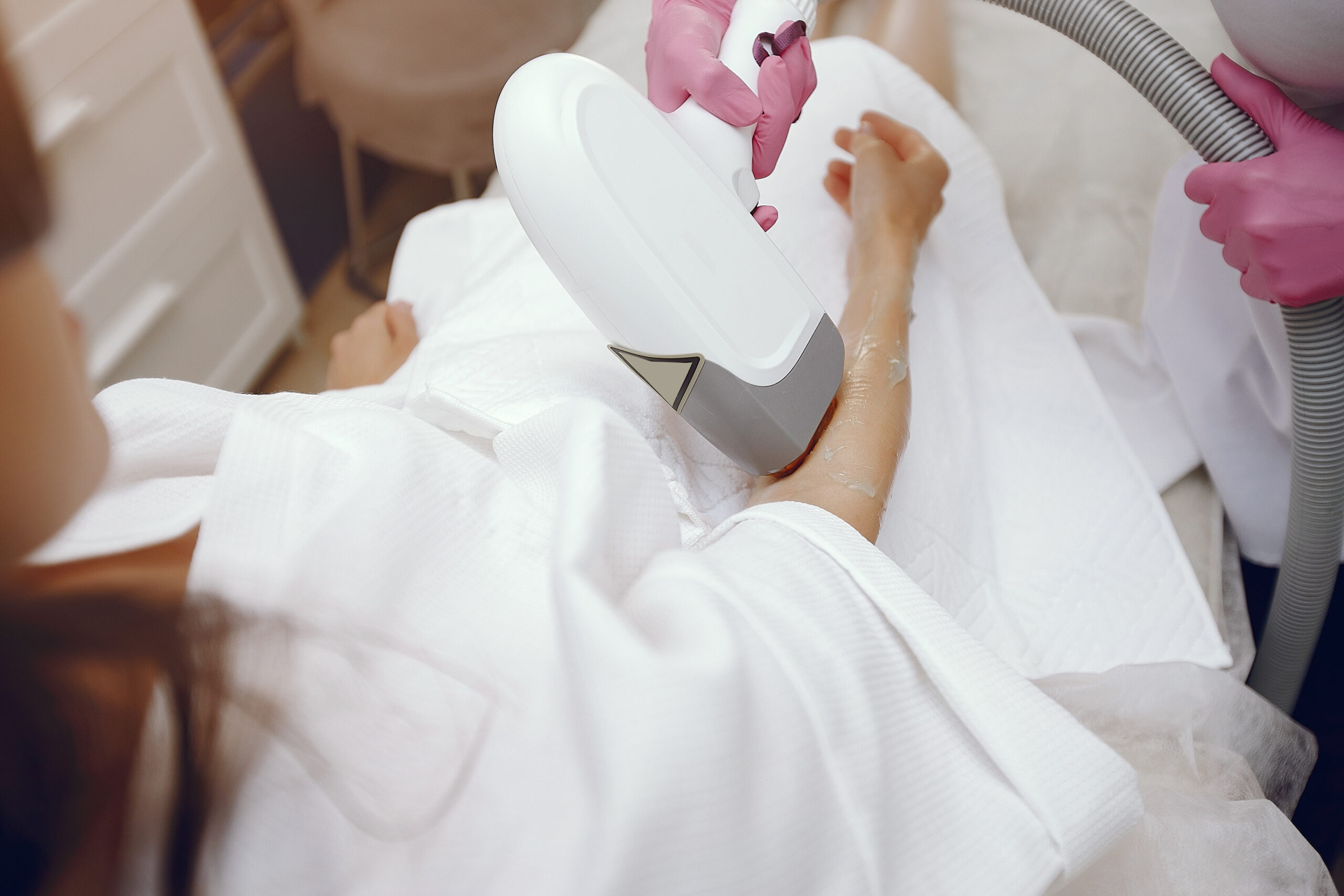
Laser hair removal uses concentrated light energy to target pigment within hair follicles. The absorbed energy generates heat that damages structures involved in hair growth, reducing the follicle’s ability to produce hair.
The treatment works best when suitable hairs are in their active growth phase. Since not every hair grows at the same time, multiple sessions are generally required.
Over a course of treatment, many patients notice slower regrowth, reduced hair density and finer remaining hair.
However, laser treatment is better described as long-term hair reduction, not guaranteed permanent removal of every hair.
Results depend on factors such as hair colour, thickness, hormonal influences, skin tone and the device used.
KEZA offers laser hair removal treatment in bangalore for several facial and body areas, with treatment planning based on individual hair and skin characteristics.
Top 8 Body Areas for Laser Hair Removal
1. Upper Lip: For Frequent Facial Hair Removal
The upper lip is one of the smaller areas commonly considered for laser hair reduction.
People who regularly thread, wax or shave their upper lip may explore laser treatment to reduce the frequency of hair removal.
Why consider it?
- The treatment area is relatively small.
- Coarse, pigmented hair may respond to suitable laser technology.
- Reduced regrowth can make routine grooming easier.
- Repeated threading or waxing may become less necessary.
What should you know?
Fine facial hair may not respond as well as coarse, dark hair. In some cases, laser treatment on fine facial hair can cause paradoxical hair growth, where hair becomes more noticeable rather than less.
This makes proper hair assessment important before treatment.
2. Chin and Jawline: For Coarse Facial Hair
Unwanted chin and jawline hair can occur in both men and women, although the underlying causes may differ.
Some women develop coarse facial hair because of hormonal influences, including conditions such as polycystic ovary syndrome (PCOS).
Laser treatment may reduce suitable coarse hairs, but it does not treat an underlying hormonal condition.
Potential benefits include:
- Reduced frequency of facial shaving or threading.
- Finer regrowth in responsive hair follicles.
- Less repeated mechanical irritation.
- Easier maintenance of selected facial areas.
Important consideration
If facial hair growth has increased suddenly or is accompanied by irregular periods, acne or other hormonal symptoms, medical evaluation may be appropriate.
Hormonal influences can also affect long-term results, and maintenance appointments may be needed.
3. Underarms: For Reduced Shaving and Waxing
Underarms are a frequently requested treatment area because hair is often relatively coarse and pigmented.
Many people remove underarm hair regularly through shaving, waxing or other temporary methods.
Laser treatment may help reduce regrowth over time.
Why is this area commonly treated?
- The treatment area is relatively small.
- Coarse hair may respond well to suitable devices.
- Reduced regrowth can simplify daily grooming.
- It may reduce some irritation associated with frequent shaving.
However, laser hair removal does not directly treat underarm pigmentation or permanently eliminate all ingrown hairs.
Any existing darkening may require a separate assessment to identify whether friction, inflammation or another cause is responsible.
What should you expect?
Temporary redness or sensitivity may occur after the session. Follow the clinic’s advice about deodorants, friction, exercise and heat exposure during recovery.
4. Arms: For Managing Hair Across Larger Areas
Hair growth on the forearms and upper arms varies considerably between individuals.
Some people have coarse, dark arm hair, while others have predominantly fine hair.
This distinction matters because laser treatment generally works better on suitably pigmented, coarse hair.
Who may consider arm treatment?
- Individuals with noticeable coarse arm hair.
- People seeking reduced dependence on frequent waxing.
- Those experiencing irritation after traditional hair removal.
- Patients whose hair and skin characteristics are suitable.
Before treatment, the practitioner should assess whether the hair is likely to respond.
Very fine hair may be a poor target and should not automatically be treated.
What should you expect?
Since the arms cover a larger surface area than the upper lip or underarms, sessions may take longer.
Some patients may require maintenance as hair growth patterns change over time.
5. Legs: For Long-Term Reduction Across a Large Area
Legs are another common area for laser hair reduction, especially among people who regularly shave or wax.
Treatment may involve the lower legs, upper legs or both, depending on the individual’s preferences.
Potential benefits include:
- Less frequent shaving.
- Reduced overall hair density.
- Finer regrowth in responsive follicles.
- Easier long-term grooming.
Because the treatment area is relatively large, the procedure may require more time than facial or underarm sessions.
Results may also vary across different parts of the legs because hair thickness and density are not always uniform.
Important consideration
Recent tanning or sunburn may increase treatment risks. The clinician may recommend postponing the procedure until the skin has recovered.
Sun protection and appropriate aftercare are especially important when treating exposed areas.
6. Bikini Line: For Sensitive-Area Hair Reduction
The bikini line is commonly considered by people who experience irritation, razor bumps or frequent regrowth after shaving and waxing.
Laser treatment may reduce suitable hair in the treated region, making ongoing grooming easier.
However, this is a sensitive area that requires careful treatment planning.
What should you check?
- Whether the treatment is limited to the bikini line or includes a wider region.
- The clinician’s experience with sensitive-area procedures.
- Appropriate privacy and comfort arrangements.
- Whether the skin is irritated or inflamed.
- Expected recovery instructions.
What results can you expect?
Hair density may reduce gradually during the treatment course, but results vary.
Laser treatment can sometimes reduce shaving-related ingrown hairs, although it cannot guarantee their complete prevention.
Active infections, open wounds or significant inflammation should be assessed before proceeding.
7. Chest and Abdomen: For Men’s Grooming and Hair Reduction
Chest and abdominal hair varies widely in density and thickness.
Some people prefer keeping their natural hair, while others want reduced coverage or easier maintenance.
Laser treatment can be tailored to selected regions rather than necessarily removing all visible hair.
Common treatment goals include:
- Reducing dense chest hair.
- Managing excessive abdominal hair.
- Creating a more even grooming appearance.
- Reducing the frequency of shaving or trimming.
People exploring laser hair removal for men in bangalore may also consider chest, shoulders and back treatment.
What should you know?
The treatment plan should account for the desired level of reduction.
Men who want partial reduction rather than a nearly hair-free appearance should explain this before treatment.
Results can vary, and the final hair pattern cannot always be controlled precisely.
8. Back and Shoulders: For Hard-to-Reach Hair Growth
The back and shoulders can be difficult to shave or wax independently.
Individuals with dense hair growth in these areas may explore laser treatment to simplify long-term grooming.
Why consider back and shoulder treatment?
- The areas can be difficult to maintain with shaving.
- Treatment may reduce dense, coarse hair.
- Less frequent hair removal may be needed.
- Large areas can be treated using suitable laser devices.
What should you expect?
Hair growth on the back and shoulders can be influenced by hormones.
Some people may continue developing new hair in these areas over time, meaning that maintenance could be necessary even after an initial treatment course.
A practitioner should explain which areas are likely to respond and whether partial reduction is a realistic goal.
Which Body Areas Respond Best to Laser Hair Removal?
Laser treatment effectiveness depends more on hair characteristics and skin suitability than on the body area alone.
|
Body Area |
Typical Treatment Goal |
Important Consideration |
|
Upper lip |
Reduce frequent facial hair removal |
Fine hair may respond poorly |
|
Chin and jawline |
Reduce coarse facial hair |
Hormonal influences may affect regrowth |
|
Underarms |
Simplify regular grooming |
Temporary irritation may occur |
|
Arms |
Reduce visible arm hair |
Very fine hair may be unsuitable |
|
Legs |
Reduce shaving and waxing frequency |
Larger treatment area |
|
Bikini line |
Reduce hair and grooming-related irritation |
Sensitive skin requires careful treatment |
|
Chest and abdomen |
Manage dense body hair |
Desired degree of reduction varies |
|
Back and shoulders |
Reduce hard-to-reach hair | Hormonal factors may affect maintenance |
A consultation should evaluate hair thickness, pigment, skin tone and treatment goals before deciding which areas to treat.
Laser Hair Removal vs Shaving vs Waxing
Different hair removal methods suit different needs.
|
Factor |
Laser Hair Removal | Shaving |
Waxing |
|
How it works |
Uses light energy to target follicles | Cuts hair at skin level |
Removes hair from the follicle |
|
Duration |
Can provide long-term reduction after a treatment course | Short-term |
Usually lasts several weeks |
|
Repeat appointments |
Multiple initial sessions; maintenance may be needed | Frequent |
Periodic |
|
Suitable for every hair type? |
No; pigment and thickness matter | Generally broad suitability |
Depends on skin and hair condition |
|
Common concerns |
Temporary irritation, burns or pigment changes | Cuts, razor burn and ingrown hairs |
Pain, irritation and ingrown hairs |
Laser hair removal may be attractive to people seeking long-term reduction, but it is not necessarily appropriate for everyone.
For example, very light-coloured hair often responds poorly because there is insufficient pigment to absorb the laser energy.
People researching hair removal treatment in bangalore should compare methods based on hair type, skin sensitivity, personal preferences and realistic expectations.
How Many Sessions Are Usually Needed?
Laser hair removal is performed over multiple sessions because follicles move through different stages of growth.
KEZA’s published guidance describes a typical course of six to eight sessions, often spaced several weeks apart. This is a general treatment approach rather than a guarantee for every patient.
The appropriate number of appointments depends on:
- Hair thickness and colour.
- Body area being treated.
- Skin tone and device selection.
- Hormonal influences.
- Individual treatment response.
Some patients notice reduced regrowth after the first few sessions, while others require additional appointments before meaningful changes become apparent.
Long-term maintenance may also be necessary.
A useful treatment plan should explain how progress will be assessed, rather than promising complete hair removal after a fixed number of sessions.
Is Laser Hair Removal Suitable for Indian Skin Tones?
Laser hair removal can be performed on many Indian skin tones when appropriate devices and settings are selected.
However, darker skin contains more epidermal melanin, which can increase the risk of unintended heating and pigment changes with unsuitable settings.
Devices such as appropriately configured long-pulsed Nd lasers may be preferred for some darker skin types. Other technologies may also be used when suitable.
The safest approach depends on the individual’s skin and hair characteristics.
Factors a clinician should assess include:
- Natural skin tone.
- Recent tanning.
- Hair thickness and pigmentation.
- Previous skin reactions.
- Existing pigmentation or inflammation.
- Medications and medical history.
It is important to distinguish hair-removal lasers from devices designed for skin resurfacing or pigmentation.
Someone researching laser skin treatment in bangalore should understand that different laser technologies target different structures in the skin.
How to Prepare for Your First Laser Hair Removal Session
Preparation can affect both treatment suitability and skin comfort.
Avoid Waxing and Plucking Before Treatment
Laser energy needs to interact with the hair follicle. Removing hair from the root before an appointment may interfere with the treatment.
Follow the clinic’s instructions regarding how long to avoid waxing, threading and plucking.
Shave the Treatment Area as Advised
Many clinics recommend shaving before treatment so that excessive surface hair does not absorb unnecessary energy.
The correct timing should be confirmed with the treating professional.
Avoid Recent Tanning
Sun exposure and tanning may increase the risk of irritation or unwanted pigmentation changes.
Tell the clinician if the area has been recently sunburned or tanned.
Review Medications and Skin Conditions
Certain medications and active skin conditions can influence procedural safety.
Inform the treating professional about your medical history, current skincare products and any previous adverse reactions.
Arrive With Clean Skin
The clinic may ask you to avoid applying lotions, fragrances or deodorants to the treatment area before the appointment.
Follow the instructions provided for your specific body area.
What Happens During a Laser Hair Removal Appointment?
A treatment session generally begins with an assessment and preparation of the selected area.
The practitioner may clean the skin and provide protective eyewear before using the laser device.
During treatment, patients may feel brief sensations similar to warmth or small snaps against the skin.
Cooling technology may be used to improve comfort and protect the skin.
The appointment duration varies depending on the size and number of areas being treated.
After treatment, temporary redness or mild swelling around follicles can occur.
The practitioner should explain how to care for the treated skin and when a follow-up appointment may be appropriate.
What Should You Avoid After Laser Hair Removal?
Although most people can return to routine activities relatively quickly, the treated skin may remain sensitive for a short period.
Avoid excessive heat. Follow the clinician’s advice about hot showers, saunas and strenuous exercise.
Protect exposed areas from sunlight. Use appropriate sun protection and avoid intentional tanning.
Do not wax or pluck treated hairs. Shaving may be permitted between appointments, depending on the clinic’s instructions.
Avoid harsh exfoliation. Strong acids, scrubs and irritating products may need to be paused temporarily.
Watch for unusual reactions. Persistent pain, blistering, increasing redness or signs of infection should be assessed promptly.
Aftercare requirements may differ between facial areas and larger body regions.
Frequently Asked Questions
1. Which body area is best for laser hair removal?
There is no single best area for everyone. Underarms, legs, facial areas, bikini lines, chest and back are commonly treated, but suitability depends on hair thickness, pigmentation and skin characteristics.
2. Is laser hair removal permanent?
Laser treatment can provide long-term hair reduction, but complete permanent removal of every hair cannot be guaranteed. Some regrowth and maintenance treatments may occur.
3. Can men undergo laser hair removal?
Yes. Men may consider treatment for the chest, back, shoulders, beard-line regions and other suitable areas. The treatment plan should reflect the desired degree of hair reduction.
4. Can laser hair removal help with ingrown hairs?
Reducing hair growth may help decrease some shaving-related ingrown hairs, particularly in suitable areas. However, treatment cannot guarantee complete prevention, and active inflammation may require medical care.
5. Is laser hair removal painful?
Discomfort varies by treatment area, device and individual sensitivity. Some people experience brief snapping or warming sensations. Cooling methods may help improve comfort.
Explore Laser Hair Removal Treatment at KEZA Skin & Hair Clinic
Laser hair removal can simplify grooming for people who regularly shave, thread or wax unwanted hair. However, results depend on the area being treated, hair characteristics and the technology used.
From smaller facial areas to larger regions such as the legs, chest and back, treatment should be planned according to individual needs rather than following the same approach for everyone.
KEZA Skin & Hair Clinic in Indiranagar, Bangalore, offers laser hair removal consultations and treatment for multiple body areas.
Explore KEZA’s laser hair removal treatment in bangalore and book a consultation to discuss your preferred treatment areas, expected hair reduction and suitable care plan.


