
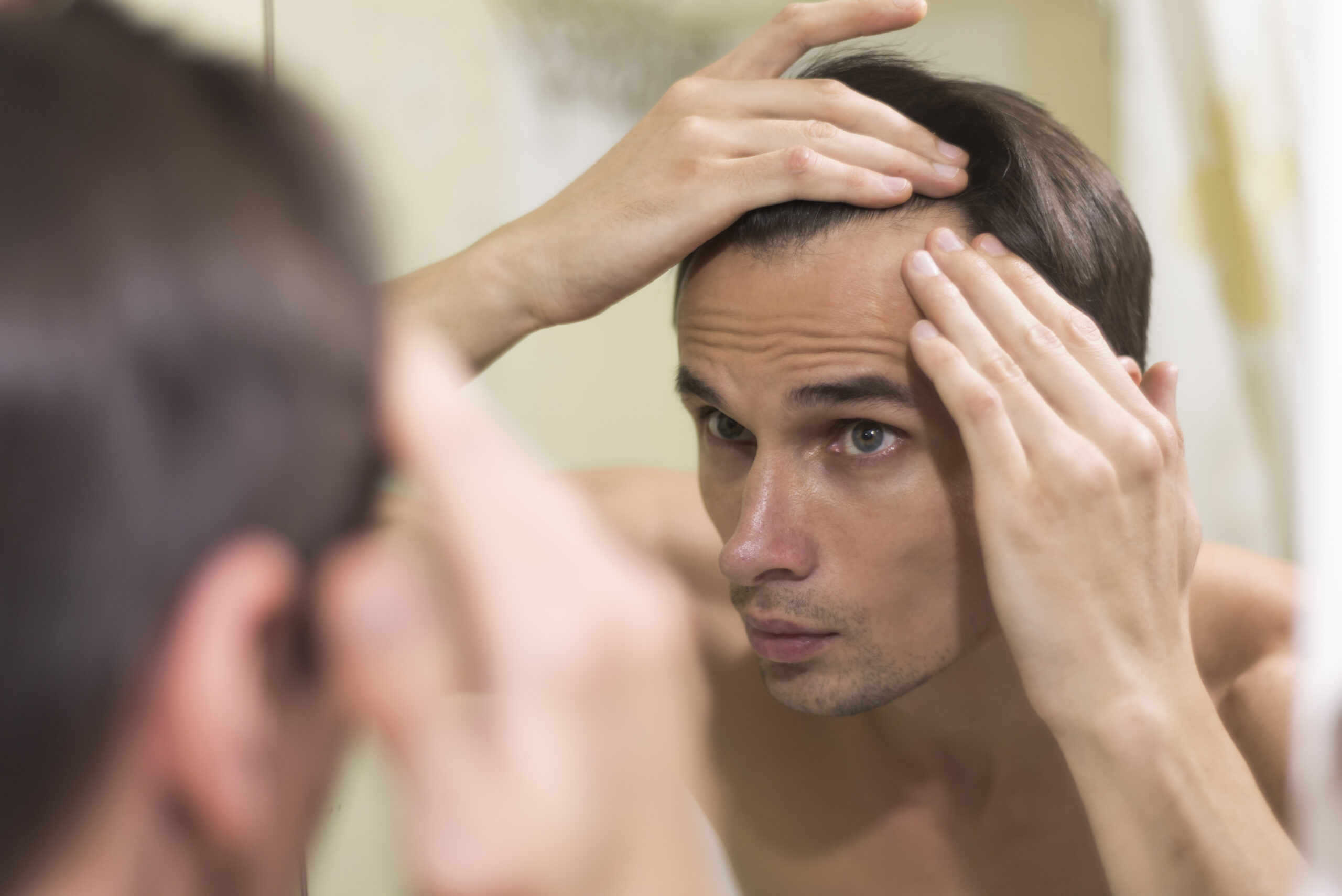
A receding hairline and sudden hair shedding may look like the same problem, but they often require different treatments. While some types of hair loss improve after an underlying trigger is addressed, others progress gradually and need long-term management.
This difference matters when choosing the best hair loss treatment in Bangalore. PRP may help certain patients with early pattern thinning, medications can help manage progressive hair loss, and transplantation may restore coverage in suitable cases of established baldness.
So, how do you know which option to consider? This guide explores seven hair loss treatments for men and women, comparing their suitability, benefits, limitations and expected timelines.
Top 7 Hair Loss Treatments in Bangalore
1. PRP Treatment for Early-Stage Hair Thinning
Platelet-Rich Plasma (PRP) therapy is a non-surgical procedure that uses components from a patient’s blood to support hair follicle activity.
A small blood sample is collected and processed to separate platelet-rich plasma. The preparation is then injected into selected areas of the scalp where thinning has occurred.
PRP may improve hair density in some people with male or female pattern hair loss, particularly when follicles are still functioning.
Who may consider PRP?
- Men experiencing early crown or hairline thinning.
- Women noticing gradual reductions in hair density.
- Individuals with mild to moderate pattern hair loss.
- Patients seeking an additional option alongside established medical treatment.
Expected results: Treatment generally involves multiple sessions, with changes assessed over several months. Some patients may require maintenance sessions.
PRP is not a guaranteed solution, particularly in areas with longstanding baldness where functioning follicles are no longer present.
If you are considering prp treatment in bangalore, a professional scalp assessment can help establish whether this procedure is appropriate.
2. GFC Treatment for Hair Density Improvement
Growth Factor Concentrate (GFC) is another blood-derived procedure offered for hair thinning. It involves processing a patient’s blood to obtain a preparation containing growth factors that is subsequently administered to targeted scalp areas.
Although GFC and PRP share similarities, they use different preparation methods. Current research does not establish that GFC consistently produces better results than PRP.
When might GFC be considered?
- Early or moderate pattern hair thinning.
- Patients exploring non-surgical procedures.
- Individuals seeking an additional approach for existing follicles.
- Cases where a clinician considers the procedure appropriate after assessment.
Expected results: Changes, when they occur, are generally evaluated over several months. Session frequency and maintenance requirements depend on the recommended protocol.
People researching gfc treatment in bangalore should understand that treatment outcomes are influenced by the cause of hair loss and the condition of the follicles.
The gfc hair treatment cost in bangalore also varies according to session requirements and the treatment plan.
Before selecting gfc hair treatment in Bangalore, compare the clinical evidence, expected benefits, risks and overall expense with other available approaches.
3. Medical Treatments for Male and Female Pattern Hair Loss
Medical treatment is often an important option for people with androgenetic alopecia, also known as pattern hair loss.
Topical minoxidil is commonly used to help slow thinning and support regrowth in suitable individuals. Finasteride may be prescribed for certain men, while selected women may be considered for other prescription treatments following medical evaluation.
Unlike procedures performed over a limited number of appointments, medications often require continued use to maintain their benefits.
Medical treatment may be appropriate for:
- Men with a gradually receding hairline or thinning crown.
- Women experiencing widening of the central hair part.
- Individuals with early or progressive pattern hair loss.
- Patients who prefer an initial non-procedural approach.
Expected results: Initial changes may take three to six months, with some treatments requiring six to twelve months for a fuller assessment.
Not all medicines are suitable for everyone. Certain prescription treatments have important side effects, contraindications and pregnancy-related restrictions.
When symptoms suggest an underlying medical cause, a clinician may also recommend investigations for nutritional deficiencies, thyroid disorders or other conditions.
4. Low-Level Laser Therapy for Hair Thinning
Low-Level Laser Therapy (LLLT), sometimes called low-level light therapy, uses specific wavelengths of light to influence activity in hair follicles.
Certain devices have shown potential to improve hair density in people with pattern hair loss. However, the benefit can be modest, and effectiveness varies by device, treatment schedule and individual response.
Who may consider this approach?
- Individuals with early to moderate pattern hair thinning.
- Patients looking for a non-invasive option.
- People considering additional treatment alongside medical management.
Expected results: Regular use over several months is generally required before effectiveness can be evaluated.
LLLT is not the same as laser hair removal, which aims to reduce unwanted hair growth.
It is also not suitable for every type of hair loss. People with sudden shedding, patchy bald areas or inflammatory scalp conditions should first establish the underlying cause.
5. Scalp Treatment for Hair Loss Related to Skin Conditions
Hair loss is sometimes associated with an unhealthy or inflamed scalp rather than pattern baldness alone.
Conditions such as seborrhoeic dermatitis, fungal infections and certain inflammatory disorders may contribute to shedding, hair breakage or follicle damage.
The treatment depends on the diagnosis and may include medicated shampoos, antifungal medications, anti-inflammatory therapies or specialist care.
Signs that suggest a scalp assessment is needed:
- Persistent itching, scaling or redness.
- Painful or inflamed scalp patches.
- Hair breakage with visible scalp irritation.
- Sudden shedding accompanied by unusual scalp symptoms.
Expected results: Improvements depend on the underlying condition. Some scalp problems respond within weeks, while recovery of affected hair may take several months.
Treating dandruff does not reverse genetic baldness. However, addressing an infection or inflammatory condition can prevent further complications and support scalp health.
Early evaluation is particularly important when hair loss is accompanied by scarring, pain or rapid progression.
6. Hair Transplant for Advanced Pattern Hair Loss
A hair transplant is a surgical procedure that moves healthy hair follicles from a donor area, typically the back or sides of the scalp, to regions affected by hair loss.
It may be considered when pattern baldness has progressed and medical treatment alone is unlikely to restore the desired coverage.
Two established approaches include Follicular Unit Extraction (FUE) and Follicular Unit Transplantation (FUT).
Who may be suitable?
- Individuals with established pattern baldness.
- Patients with sufficient healthy donor hair.
- People seeking more permanent coverage in selected areas.
- Individuals with realistic expectations about achievable density.
Expected results: Transplanted hair generally develops over several months. A fuller assessment is commonly possible around 9–12 months, although some areas may take longer.
A transplant does not stop future thinning in untreated regions. Continued medical management may still be recommended.
People considering hair transplant treatment in bangalore should discuss the surgeon’s qualifications, donor hair availability, surgical risks, recovery, expected coverage and long-term treatment plan.
7. Scalp Micropigmentation for Cosmetic Hair Coverage
Scalp micropigmentation is a cosmetic procedure that uses small pigment deposits to create the appearance of closely cropped hair or reduce the visibility of the scalp through thinning hair.
Unlike PRP, GFC or medical hair regrowth treatments, scalp micropigmentation does not stimulate new hair growth.
It may be considered by people looking for cosmetic coverage without undergoing transplantation.
Potential applications include:
- Creating the appearance of a closely shaved hairline.
- Reducing visible contrast in thinning areas.
- Camouflaging certain scalp scars.
- Improving the appearance of coverage in selected cases.
Expected results: Cosmetic changes are visible after treatment, although the final appearance may require healing and additional sessions. Pigment fading and touch-ups may occur over time.
The procedure’s success depends on technique, pigment selection, skin characteristics and practitioner experience.
People exploring scalp micropigmentation treatment in bangalore should review healed results and understand that it provides cosmetic camouflage rather than biological hair restoration.
Hair Loss Treatment Comparison: Benefits, Recovery and Results
Choosing between procedures becomes easier when you compare what each option is designed to achieve.
|
Treatment |
Main Purpose | Typical Time to Assess Results | Maintenance |
|
PRP |
Support hair density in selected cases | 3–6 months | May require repeat sessions |
|
GFC |
Support existing follicles in selected cases | Several months |
Depends on treatment plan |
|
Medical Treatment |
Slow pattern thinning and support regrowth | 3–12 months |
Often ongoing |
|
Low-Level Laser Therapy |
Support density in certain pattern hair loss cases | 4–6 months or longer |
Regular continued use |
|
Scalp Treatment |
Manage infection or inflammation | Weeks to months, depending on cause |
Depends on diagnosis |
| Hair Transplant | Restore coverage surgically | 9–12 months or longer |
Ongoing care for untreated hair |
| Scalp Micropigmentation | Create cosmetic hair coverage | After treatment and healing |
Periodic touch-ups may be needed |
These are general timelines, not guaranteed results. Individual recovery, clinical outcomes and treatment requirements can differ.
The main distinction is that some approaches aim to slow or improve hair loss, transplantation redistributes healthy follicles, and scalp micropigmentation changes the appearance of coverage.
Which Treatment Should You Consider Based on Your Hair Loss?
Rather than choosing a procedure immediately, identify the pattern of hair loss you are experiencing.
If You Have Early Hair Thinning
Medical treatment is often considered for diagnosed pattern hair loss. PRP or other procedures may be discussed as additional options depending on suitability.
If You Notice Sudden Hair Shedding
A sudden increase in shedding can occur after illness, significant stress, medication changes or nutritional problems. Identifying the trigger is important, and injectable procedures may not be necessary.
If You Have Visible Bald Patches
Round or oval bald patches may indicate alopecia areata or another medical condition. These require diagnosis-specific management rather than assuming ordinary pattern baldness.
If You Have Advanced Pattern Baldness
Hair transplantation may be considered when adequate donor hair is available. Medical treatment may still be useful for preserving existing hair.
If You Want Cosmetic Coverage Without Hair Regrowth
Scalp micropigmentation may improve the appearance of thinning or bald areas, but it will not treat the underlying hair loss.
The best treatment is the one that addresses your diagnosed condition and matches your expectations, rather than simply the newest available procedure.
How Much Does Hair Loss Treatment Cost in Bangalore?
The cost of treatment depends on several factors, including the procedure, severity of hair loss, number of sessions and follow-up requirements.
Medical management may involve recurring medication expenses. PRP and GFC are typically priced per session or package, while transplant pricing depends on surgical planning and graft requirements.
Before comparing clinics, request clarity on:
- Consultation and scalp assessment charges.
- Number of recommended treatment sessions.
- Medication and procedure costs.
- Follow-up appointments.
- Maintenance requirements.
- Possible additional expenses.
KEZA’s published hair loss service information has advertised treatment options starting from ₹3,000. This is not a universal price for all procedures, and current pricing should be confirmed directly with the clinic.
A complete treatment estimate is more useful than an introductory price because hair loss management may involve several appointments or ongoing care.
Top 5 Things to Check Before Choosing a Hair Loss Clinic
A clinic should help you understand your condition before recommending a procedure.
1. Medical Qualifications and Experience
Check the qualifications and relevant experience of the clinician responsible for diagnosing and managing your hair loss.
2. Detailed Hair and Scalp Assessment
A consultation should examine your hair loss pattern, scalp condition and medical history. Additional tests may be recommended when clinically indicated.
3. Treatment Options Based on Diagnosis
The recommended approach should address your condition rather than automatically promoting PRP, GFC or hair transplantation.
4. Realistic Results and Treatment Limitations
Ask what improvement is reasonably expected, when results can be assessed, what side effects are possible and whether further treatment may be needed.
5. Transparent Pricing and Follow-Up Care
Understand the full cost, session schedule, monitoring requirements and any long-term maintenance plan.
These considerations can help you assess whether the proposed treatment offers meaningful value for your particular condition.
Frequently Asked Questions
1. What is the best hair loss treatment in Bangalore?
The most suitable treatment depends on the cause and stage of hair loss. Medical treatments are commonly used for pattern thinning, while PRP and hair transplantation may be considered for selected patients. A professional diagnosis is the best starting point.
2. Is PRP or GFC better for hair growth?
PRP has a larger body of clinical research supporting its use in certain cases of pattern hair loss. Evidence directly comparing PRP and GFC remains limited, so one cannot be considered universally superior.
3. Can hair grow back without a transplant?
Yes, some types of hair loss can improve with medical treatment or after temporary triggers resolve. However, longstanding scarring hair loss may be irreversible, and advanced pattern baldness may have limited potential for regrowth.
4. How long does hair loss treatment take to show results?
The timeline depends on the treatment and diagnosis. Some medical treatments and injectable procedures require several months, while hair transplantation generally takes longer to show its fuller cosmetic outcome.
5. Is hair loss treatment different for men and women?
Some treatments are suitable for both men and women, but medication selection, contributing medical factors and hair loss patterns can differ. Treatment should therefore be personalised rather than based only on gender.
Take the Next Step Towards Healthier Hair at KEZA Skin & Hair Clinic
Whether you are experiencing gradual thinning, excessive shedding or established pattern baldness, understanding the cause helps you avoid unnecessary procedures and choose treatments with realistic expectations.
KEZA Skin & Hair Clinic in Indiranagar, Bangalore, offers consultations for hair and scalp concerns, including assessments for PRP, GFC and hair transplantation.
Explore KEZA’s hair loss treatment in bangalore and schedule a consultation to identify the cause of your hair loss and discuss the options that may suit your condition.


