
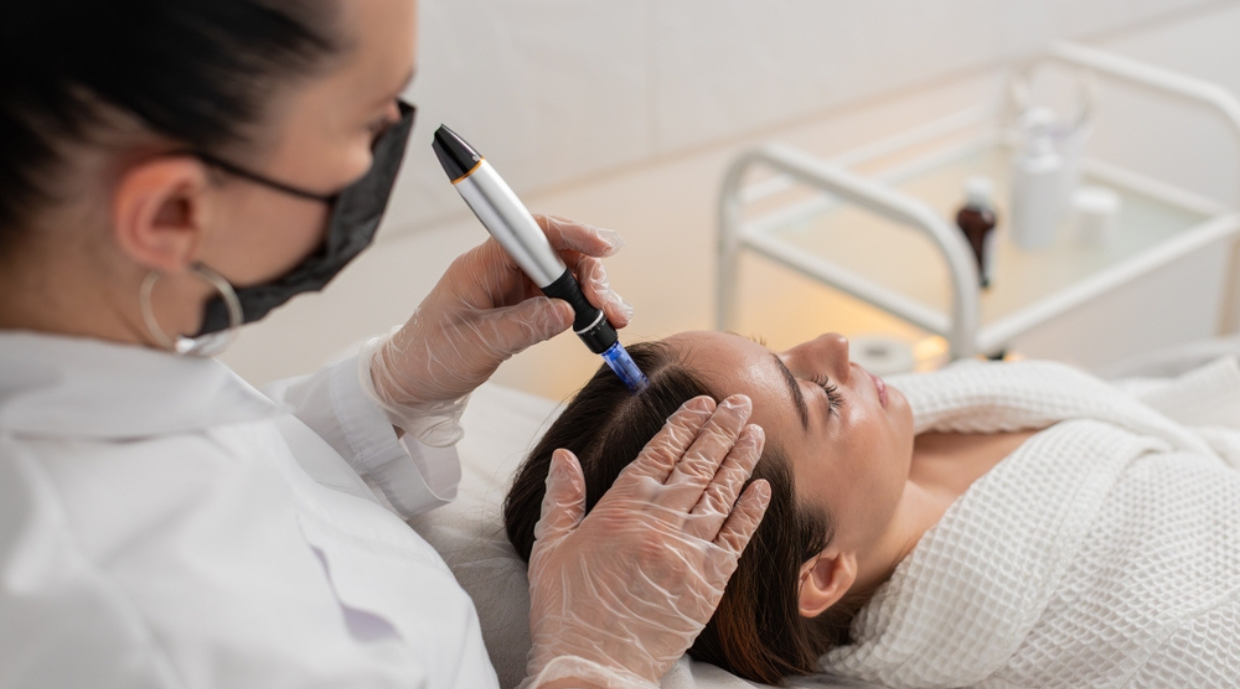
A skin whitening treatment is usually considered by people who want to improve tanning, uneven skin tone, dark spots or pigmentation. Despite the name, the goal of professional treatment should not be to completely change your natural skin colour. It should focus on improving uneven areas and helping the skin look clearer and more balanced.
Depending on the concern, a dermatologist may recommend skincare products, chemical peels or other procedures. A skin brightening treatment may also be used when dullness and uneven tone are the main concerns, while a skin lightening treatment may focus more specifically on areas of excess pigmentation.
Most treatments can be used safely when they are selected according to the person’s skin type and condition. Understanding the benefits, possible risks and realistic results can help you make a better decision.
1. What Is Skin Whitening Treatment?
Skin whitening treatment refers to different methods used to reduce the appearance of unwanted tanning, dark patches or uneven pigmentation.
The treatment works by addressing excess pigment or improving the surface appearance of the skin. The exact method depends on why the skin has become darker.
For example, pigmentation caused by acne marks may need a different approach from sun-related tanning or melasma.
A professional skin whitening treatment should therefore begin with understanding the skin concern instead of automatically choosing the strongest procedure available.
2. Is Skin Whitening Treatment Safe?
Skin whitening treatment can generally be safe when the treatment is appropriate for your skin and is performed or supervised by a qualified professional.
The safety of treatment depends on several factors:
- your skin type and sensitivity
- the cause of pigmentation
- the products or procedure used
- treatment strength
- your existing skincare routine
- how well aftercare instructions are followed
Problems are more likely when people use very strong products without guidance or combine several brightening treatments at the same time.
A gradual approach is often better for the skin than trying to achieve a dramatic change quickly.
3. What Are the Benefits of Skin Whitening Treatment?
The main benefit of treatment is improvement in uneven-looking skin rather than changing your natural complexion.
Depending on your concern, treatment may help with tanning, dullness, dark spots or pigmentation caused by previous skin inflammation.
Some possible benefits include:
More even-looking skin tone: Darker patches may gradually blend better with the surrounding skin.
Improved brightness: A skin brightening treatment can help dull-looking skin appear fresher.
Reduction in visible pigmentation: Some treatments may gradually reduce the appearance of selected dark spots.
Smoother appearance: Treatments that improve skin renewal may also help the surface feel smoother.
Results depend on the type of pigmentation and how the individual skin responds.
4. How Does Skin Brightening Treatment Work?
A skin brightening treatment generally focuses on improving dullness and uneven surface tone.
Dead skin buildup, dryness and sun exposure can make the complexion look tired or less even. Certain skincare ingredients or professional exfoliating treatments may help remove some surface buildup and support skin renewal.
This can make the skin appear brighter without trying to make it unnaturally lighter.
Brightening treatment may be suitable for someone mainly concerned about dull-looking skin, while deeper pigmentation may require a more targeted treatment plan.
Understanding this difference helps prevent unnecessary or overly aggressive procedures.
5. How Does Skin Lightening Treatment Work?
A skin lightening treatment usually targets specific areas where excess pigment has developed.
Treatment may involve dermatologist-recommended topical products, selected chemical peels or suitable device-based procedures.
The aim is to reduce the contrast between darker areas and the surrounding skin.
Results take time because pigment does not usually disappear overnight. Treatment often needs to be continued gradually, especially when the pigmentation has been present for a long period.
The cause should also be addressed. If sun exposure, acne or irritation continues, new pigmentation may develop even after existing marks improve.
6. Are There Any Risks or Side Effects?
Most professionally selected treatments cause little or manageable downtime, but mild side effects can occur.
Depending on the procedure, some people may experience temporary redness, dryness, mild peeling or sensitivity.
The chance of irritation may increase when:
strong products are used too frequently
several active ingredients are combined
the skin is already irritated
aftercare is not followed
the treatment is not suitable for the skin type
These effects are often temporary when managed correctly.
The greater concern is unsupervised use of unknown whitening creams or harsh home remedies. Such products may irritate the skin and can sometimes make pigmentation more noticeable.
7. What Results Should You Expect?
A realistic result is gradual improvement in uneven pigmentation, tanning or dullness.
You may notice that the skin looks:
- more even in tone
- less dull
- clearer in areas with mild pigmentation
- smoother and fresher
- less visibly tanned
Results vary from person to person.
A skin whitening treatment cannot guarantee a permanent change in your natural skin colour. Your skin continues to produce melanin, and factors such as sunlight, hormones and inflammation can influence pigmentation again.
The goal should therefore be improvement rather than complete colour transformation.
8. How Can You Maintain the Results?
Maintenance is an important part of any pigmentation treatment.
Sun exposure is one of the main reasons dark spots and tanning can return. Regular sunscreen on exposed skin can help protect the improvement achieved through treatment.
It is also useful to keep skincare simple.
Use a gentle cleanser, suitable moisturiser and the products recommended for your skin. Avoid excessive scrubbing or repeatedly changing brightening products.
If you are undergoing professional treatment, follow the recommended gap between sessions rather than trying to speed up the process.
Healthy skin usually responds better when it is treated gradually and consistently.
9. Who Should Get a Skin Assessment Before Treatment?
A skin assessment is especially useful if the pigmentation is new, spreading, difficult to treat or returning repeatedly.
Professional guidance is also important if your skin is very sensitive or previous whitening products have caused burning, redness or worsening pigmentation.
At Keza Skin & Hair Clinic, the treatment approach can be selected according to your skin type, pigmentation pattern and treatment goals.
Rather than choosing between a skin whitening treatment, skin brightening treatment or skin lightening treatment based only on the name, understanding what your skin actually needs can help you choose a more suitable option.
Conclusion
Skin whitening treatment can be safe when it is selected carefully and used with realistic expectations. The focus should be on improving tanning, pigmentation and uneven skin tone rather than trying to permanently change your natural complexion.
Different concerns may require different approaches. A skin brightening treatment may help with dullness, while a skin lightening treatment may be more focused on specific areas of pigmentation.
Good sun protection, gentle skincare and consistent aftercare can also help maintain the results.
If uneven pigmentation is bothering you, a professional skin assessment can help identify the cause and determine which treatment may be appropriate.
Frequently Asked Questions
1. Is skin whitening treatment safe for every skin type?
It can be suitable for many skin types, but the treatment needs to be selected carefully. Skin sensitivity, pigmentation type and previous reactions should be considered first.
2. Does skin whitening treatment permanently lighten the skin?
No. Skin whitening treatment may improve tanning and uneven pigmentation, but it does not permanently change your natural skin colour.
3. What is the difference between skin brightening and skin lightening?
A skin brightening treatment mainly improves dullness and overall radiance, while a skin lightening treatment usually focuses on reducing specific areas of excess pigmentation.
4. How soon can I see results from skin whitening treatment?
Results usually develop gradually. The timeline depends on your pigmentation, skin type, treatment method and how consistently you follow aftercare.
5. Can pigmentation return after skin lightening treatment?
Yes. Pigmentation can return if triggers such as sun exposure, acne, irritation or hormonal changes continue. Regular sun protection and suitable maintenance skincare can help reduce recurrence.


