
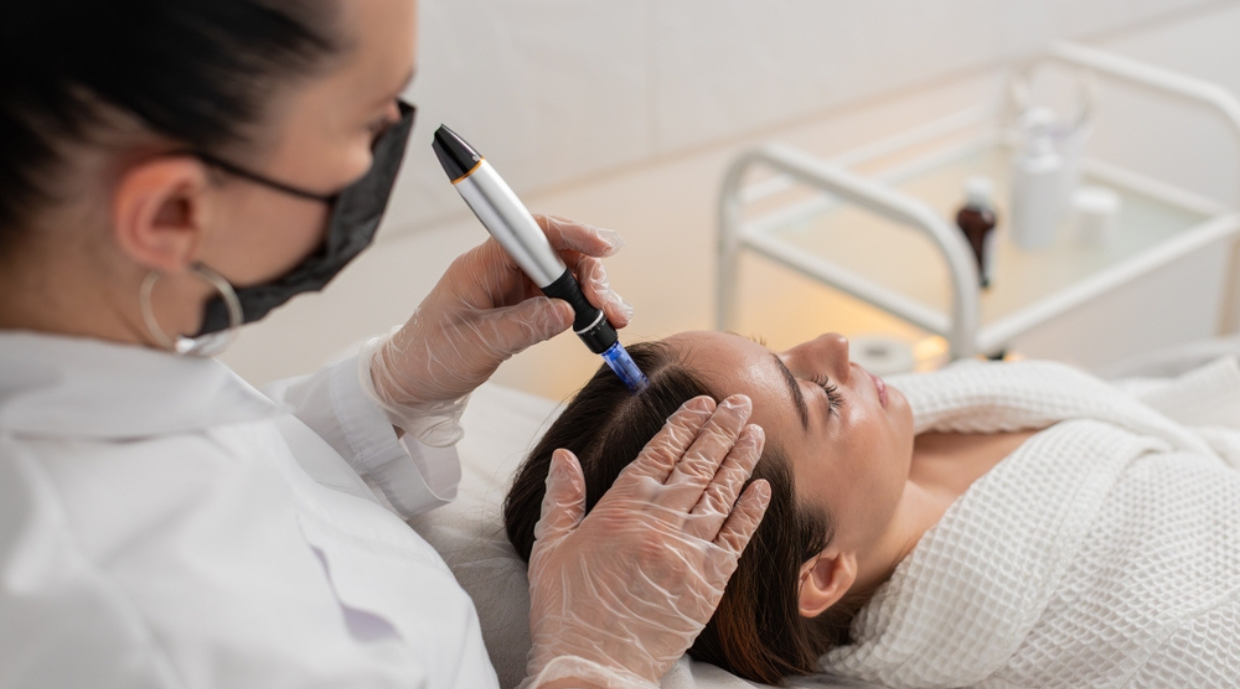
A carbon facial is a non-invasive skin treatment that combines a thin layer of carbon solution with laser energy. It is commonly considered by people dealing with oily skin, clogged pores, dullness, mild acne or uneven-looking skin texture.
During the procedure, the carbon solution is applied across the face and allowed to settle on the skin. A laser is then passed over the treated area. The interaction between the laser and carbon helps remove surface buildup, excess oil and dead skin cells.
You may also hear the procedure called a carbon peel, carbon peel treatment or carbon laser facial. Although the names sound different, they generally describe the same basic treatment approach.
Understanding what actually happens during the treatment can help you decide whether it fits your skin concerns and expectations.
1. What Exactly Is a Carbon Facial?
A carbon facial is a laser-assisted facial treatment that uses liquid carbon as part of the procedure.
The carbon solution forms a fine layer over the skin and settles around areas of surface oil, debris and dead skin cells. When the laser is used, it interacts with this carbon layer while treating the skin.
Unlike a traditional facial that mainly involves manual cleansing, massage or extraction, a carbon laser facial uses laser energy as an important part of the treatment.
People commonly consider it when their skin feels oily, congested or dull. It may also be used when someone wants a smoother and fresher appearance without choosing a more intensive skin-resurfacing procedure.
2. How Does a Carbon Peel Work?
A carbon peel generally takes place in several simple stages.
The skin is first cleaned so that makeup, sunscreen and surface dirt do not interfere with treatment. A thin layer of carbon solution is then spread across the face and given time to dry.
Once the carbon has settled, the laser is passed over the skin. The carbon absorbs the laser energy and breaks apart during the process. This helps lift away some surface debris and dead skin cells along with the carbon.
The treatment can also reduce excess surface oil and provide gentle exfoliation.
Because treatment settings need to suit the person’s skin, the procedure should not be approached as exactly the same for everyone.
3. What Skin Concerns Can Carbon Peel Treatment Help With?
A carbon peel treatment is mainly used for cosmetic concerns related to the surface appearance and texture of the skin.
It may be considered for:
- oily-looking skin
- mild pore congestion
- blackheads
- dull appearance
- rough or uneven texture
- mild acne-related congestion
- enlarged-looking pores
The treatment may make the skin feel cleaner and smoother, but it is important to understand its limits.
For example, severe acne, deep acne scars or persistent pigmentation may need a different treatment plan. A carbon facial should not automatically be expected to correct every skin concern just because it can improve the overall appearance of the skin.
4. What Happens During a Carbon Laser Facial?
Before a carbon laser facial, the skin should ideally be assessed to check whether the procedure is suitable.
The face is cleansed first and the carbon solution is then applied evenly. You may feel the solution drying on the skin, but this part is generally straightforward.
During the laser stage, you may notice mild warmth or a light snapping sensation. The exact experience depends on the laser settings and individual sensitivity.
Once the treatment is complete, the remaining product is cleaned away and suitable post-treatment skincare is applied.
A carbon facial generally does not require the type of recovery associated with deeper resurfacing procedures, although mild temporary redness or sensitivity can occur.
5. What Results Can You Expect After a Carbon Facial?
Many people choose a carbon facial because they want the skin to look fresher without significant downtime.
After treatment, the skin may appear cleaner, smoother and brighter. People with oily or congested skin may also notice that the surface feels less greasy.
Possible improvements include smoother-looking texture, reduced dullness and a cleaner appearance around mildly congested pores.
However, results differ from one person to another.
One carbon peel should not be expected to permanently change pore size, cure acne or remove deep scars. Your skin type, concern and daily skincare routine all influence the final result.
Some people may notice a cosmetic improvement after one session, while others may be advised to follow a treatment plan if they have an ongoing concern.
6. Is Carbon Facial Suitable for Acne and Pigmentation?
This depends on the type of acne or pigmentation.
For someone with oily skin and mild congestion, a carbon peel treatment may help improve the appearance of the skin by reducing surface oil and clearing some buildup.
Active inflammatory acne is different. Painful pimples, cysts or recurring breakouts may require dermatologist-led acne treatment rather than relying only on a facial procedure.
The same applies to pigmentation.
A carbon facial may make dull or uneven-looking skin appear brighter, but persistent pigmentation can have several causes. Melasma, post-acne marks and sun-related pigmentation may all require different approaches.
If acne or pigmentation is your main concern, identifying the cause first usually leads to a more useful treatment plan.
7. What Aftercare Should You Follow After Carbon Peel?
After a carbon laser facial, the skin may feel normal quite quickly, but it has still undergone laser treatment and exfoliation.
Keep your skincare routine simple while the skin settles.
Useful aftercare includes:
- using a gentle cleanser
- applying a suitable moisturiser
- wearing sunscreen regularly
- avoiding harsh scrubs for a few days
- temporarily reducing strong exfoliating products if advised
- avoiding unnecessary picking or rubbing
- following the instructions given by your treatment provider
Sun protection is particularly important because recently treated skin may be more sensitive to UV exposure.
If you notice strong irritation, unusual swelling or symptoms that continue instead of settling, contact your treatment provider.
Conclusion
A carbon facial combines a carbon solution with laser energy to cleanse, exfoliate and refresh the skin. It may be useful for people dealing with oily skin, mild congestion, dullness or uneven-looking texture.
The treatment can improve how the skin looks and feels, but it should not be viewed as a permanent solution for every skin concern. Deep acne scars, severe acne and persistent pigmentation may require more targeted treatment.
If you are considering a carbon peel treatment, start by understanding your skin concern and whether the procedure is suitable for it.
Frequently Asked Questions
1. Is a carbon facial the same as a carbon peel?
Yes. The terms carbon facial, carbon peel and carbon laser facial are commonly used for a treatment that combines a carbon solution with laser energy to cleanse and exfoliate the skin.
2. How long does a carbon facial session take?
A carbon facial is generally a relatively short procedure. The exact time depends on skin preparation, the area treated and the laser protocol used.
3. Can a carbon peel help oily skin?
A carbon peel may help reduce excess surface oil and improve mild congestion. Results vary, and persistent acne or excessive oiliness may require additional treatment.
4. Is there downtime after a carbon laser facial?
Most people can return to their usual routine relatively quickly. Mild redness, warmth or sensitivity may occur temporarily after the procedure.
5. How many carbon peel treatments are needed?
There is no fixed number for everyone. Some people may notice improvement after one session, while others may need repeated treatments depending on their skin concern and treatment goals.


