
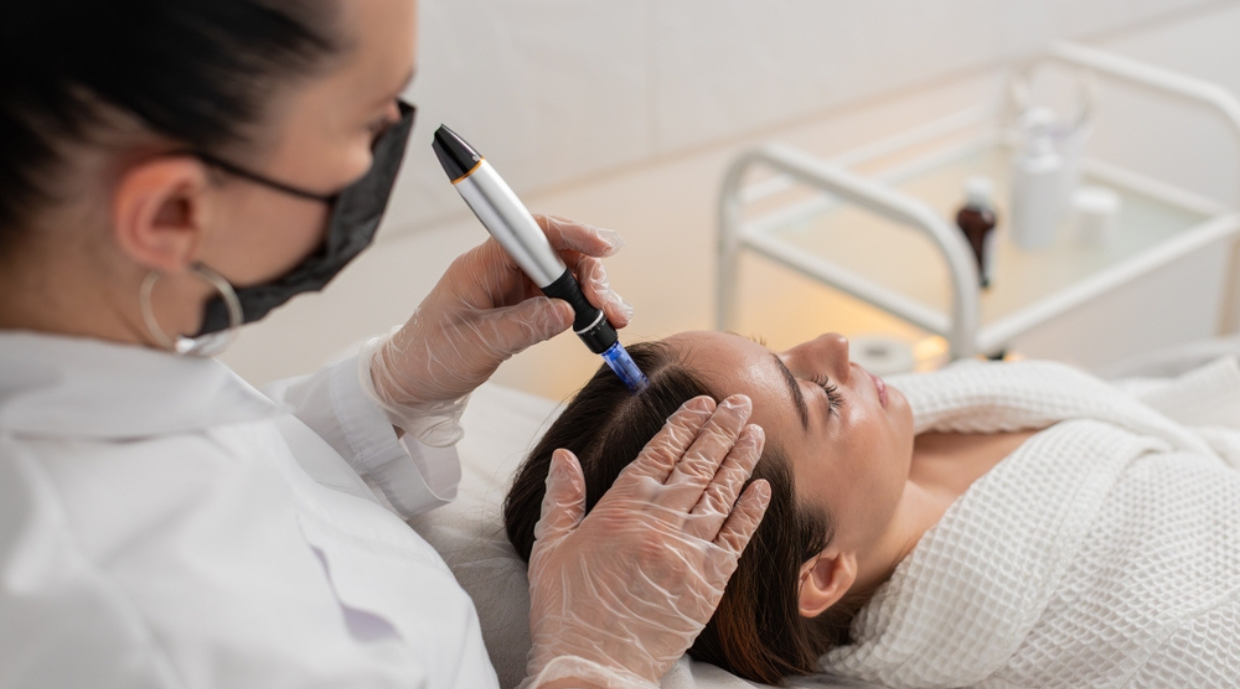
A carbon facial is a laser-based skin treatment that is commonly chosen for concerns such as dullness, excess oil, mild congestion and uneven texture. The treatment uses a layer of carbon solution along with laser energy to cleanse and exfoliate the skin.
Most people choose a carbon peel treatment because it usually has little downtime. You can often return to normal activities soon after the session, although the skin may feel slightly warm, dry or sensitive for a short time.
Knowing what is normal after a carbon peel, what should be avoided and how to care for the skin can help you feel more prepared before treatment.
1. What Side Effects Can Happen After a Carbon Facial?
A carbon facial is generally a mild procedure, but some temporary skin changes can happen after the session.
You may notice slight redness, warmth or sensitivity soon after treatment. This happens because the skin has been exposed to laser energy and gentle exfoliation.
For most people, these changes settle quickly. If the skin feels uncomfortable, keeping your routine simple and avoiding strong skincare products can help during the first few days.
2. How Much Downtime Does a Carbon Peel Need?
A carbon peel usually needs very little downtime compared with stronger laser or resurfacing procedures.
Many people are able to return to work or regular activities on the same day. However, the skin may still need some care even if it looks normal soon after treatment.
You may experience mild dryness, slight tightness or temporary sensitivity. If your skin is naturally sensitive, it may take a little longer to settle.
3. What Should You Avoid After Carbon Peel Treatment?
The skin can be slightly more sensitive after a carbon peel treatment, so it is better to avoid anything that may cause unnecessary irritation.
For the first few days, try to avoid:
- harsh facial scrubs
- strong exfoliating acids
- retinoids unless advised
- very hot water on the face
- heavy rubbing or picking
- unnecessary direct sun exposure
You should also avoid introducing multiple new skincare products immediately after treatment.
Keeping the routine simple allows the skin to recover naturally.
4. What Should Your Skin Look Like After a Carbon Laser Facial?
Right after a carbon laser facial, the skin may look slightly pink or feel warm. Some people also notice that the skin looks fresher and feels smoother.
As the skin settles, oily areas may feel cleaner and the surface may appear less dull. Mild tightness or dryness can also occur.
The key is that the skin should gradually feel more comfortable. If redness or irritation becomes stronger instead of improving, contact your treatment provider.
5. What Aftercare Should You Follow?
Aftercare is important even when the treatment does not involve major downtime.
Use a gentle cleanser and a simple moisturiser. Avoid products that sting, burn or make the skin feel tight.
You should also:
- use sunscreen during the day
- avoid harsh exfoliation
- keep the skin well moisturised
- avoid scratching or picking
- follow the advice given after treatment
- restart strong active products only when advised
Good aftercare can help reduce irritation and support smoother healing after a carbon facial.
6. Can Carbon Facial Cause Breakouts?
Some people may notice small bumps or temporary congestion after a facial procedure.
This does not happen to everyone, and it should not automatically be considered a normal part of the treatment.
If you already have oily or acne-prone skin, mild congestion may settle on its own. However, painful or worsening breakouts should be checked rather than ignored.
A carbon peel may help mild surface congestion, but moderate or severe acne usually needs a different treatment plan.
7. How Long Does It Take for the Skin to Settle?
For many people, the skin settles within a short period after a carbon laser facial.
Mild redness or warmth may improve within a few hours, while dryness or sensitivity can sometimes continue for a little longer.
Skin type, treatment settings and your current skincare routine can all affect recovery time.
If you use strong exfoliating products regularly, your provider may advise stopping them temporarily before and after treatment.
8. When Should You Contact Your Treatment Provider?
Most post-treatment changes are mild, but unusual symptoms should not be ignored.
Contact your treatment provider if you notice:
- severe redness
- increasing swelling
- persistent burning
- blistering
- unusual pain
- signs of infection
These reactions are not expected after a routine carbon peel treatment.
Getting advice early can help prevent irritation from becoming more uncomfortable.
Conclusion
A carbon facial usually involves minimal downtime, and most people experience only mild temporary changes such as redness, warmth, dryness or sensitivity.
Simple aftercare can make the recovery period easier. Avoid harsh products, strong exfoliation and unnecessary sun exposure while the skin is settling.
If you are considering a carbon laser facial, understanding the side effects and recovery process beforehand can help you choose the treatment with more realistic expectations.
Frequently Asked Questions
1. How long does carbon facial redness usually last?
Mild redness after a carbon facial often settles within a few hours. Sensitive skin may take slightly longer to return to normal.
2. Can I go outside after a carbon peel?
Yes, but protect your skin from strong sun exposure. Use sunscreen and avoid unnecessary direct sunlight while the skin is sensitive.
3. When can I restart active skincare after carbon peel treatment?
It depends on your skin and the products you use. Strong acids, retinoids and exfoliating products are usually restarted only after the skin has settled.
4. Can a carbon laser facial cause skin peeling?
Heavy peeling is not usually expected, but mild dryness or slight flaking can occur in some people. If peeling is significant, contact your treatment provider.
5. What should I do if my skin feels hot after a carbon facial?
Mild warmth can happen for a short time. Keep the skin cool, avoid rubbing it and follow the aftercare advice provided. If the heat becomes intense or does not settle, contact your clinic.


