
Your skin can feel oily in the morning and dry by evening. Some days, the pores around your nose appear more noticeable, while on others, your face looks dull despite following a regular skincare routine. These changes do not always mean you need an intensive skin treatment.
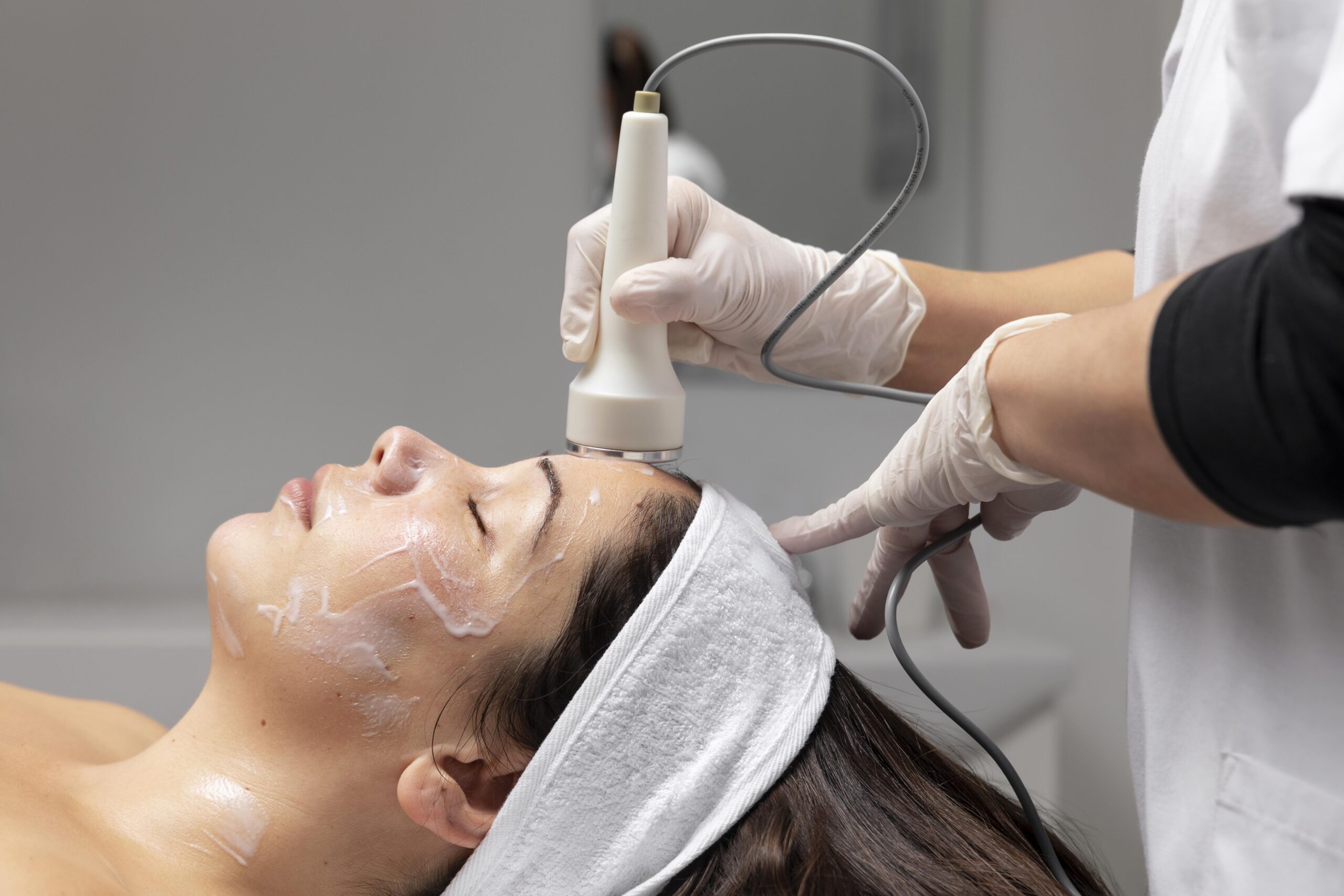
HydraFacial is a non-invasive facial procedure that combines cleansing, exfoliation, extraction and hydration. It is commonly considered by people who want smoother, refreshed-looking skin without undergoing aggressive resurfacing.
If you are looking for the best hydrafacial in bangalore, understanding what the procedure can realistically improve is more useful than choosing it based on promises of an instant glow.
Here are six skin concerns for which HydraFacial may be considered, along with its limitations and what to expect during treatment.
What Makes HydraFacial Different From a Regular Facial?
A traditional facial may involve cleansing, exfoliation, massage and the application of skincare products. HydraFacial uses a specialised device to deliver a more structured series of treatment steps.
The procedure generally includes:
- Cleansing the skin to remove surface impurities.
- Exfoliating dead surface skin cells.
- Using controlled suction to extract selected pore debris.
- Applying hydrating solutions suited to the treatment protocol.
The exact products and steps may vary according to the patient’s skin characteristics.
HydraFacial primarily aims to improve the temporary appearance and feel of the skin. It is not a substitute for prescription acne treatment, procedures for deep acne scars or medical care for pigmentation disorders.
Top 6 Skin Concerns HydraFacial May Help Address
1. Dull Skin That Needs a Refreshed Appearance
Dull-looking skin can develop for several reasons, including dryness, surface buildup and changes in skin texture.
Gentle exfoliation may help remove accumulated surface cells, allowing the skin to appear smoother and more refreshed.
HydraFacial combines this exfoliation with cleansing and hydration in a single procedure.
Who may consider it?
- People experiencing temporary dullness.
- Individuals with rough-looking surface texture.
- Those seeking a refreshed appearance before an occasion.
- Patients who prefer a relatively gentle cosmetic facial.
Some people notice an improvement in skin smoothness shortly after treatment. However, the duration of the effect varies.
A HydraFacial should not be expected to permanently alter natural skin colour or correct every cause of dullness.
2. Dry and Dehydrated Skin
Dryness and dehydration are related but different concerns.
Dry skin generally produces insufficient natural oils, while dehydrated skin lacks adequate water content. Both can contribute to tightness, roughness and a less comfortable skin surface.
HydraFacial uses hydrating solutions as part of the treatment process, which may temporarily improve skin moisture and smoothness.
Potential benefits include:
- A softer-feeling skin surface.
- Temporary improvement in visible dryness.
- A smoother appearance.
- Better short-term skin comfort in suitable patients.
However, a single facial cannot permanently correct chronic dryness or an impaired skin barrier.
People with persistent dryness may also need a suitable moisturiser, gentle cleansing and assessment for underlying conditions such as eczema.
The treatment should be adapted carefully if the skin is inflamed, irritated or unusually sensitive.
3. Clogged Pores and Blackheads
Blackheads develop when pores become filled with oil and dead skin cells. The material darkens when exposed to air.
HydraFacial includes an extraction step that uses controlled suction to remove selected superficial pore debris.
This may help improve the temporary appearance of congestion, particularly around the nose and other oily areas.
Who may benefit?
- Individuals experiencing mild blackheads.
- People with congested-looking pores.
- Patients seeking gentle professional cleansing.
- Those with mild surface oil buildup.
It is important to understand that pores cannot be permanently opened, closed or removed.
HydraFacial may improve their appearance temporarily, but it does not permanently eliminate blackheads or prevent future congestion.
For recurring acne or persistent clogged pores, established skincare treatments may be needed alongside or instead of cosmetic facials.
4. Excess Oil and Uneven Surface Texture
People with oily skin sometimes experience a combination of shine, rough texture and visible pores.
A treatment that removes selected surface debris may temporarily make the skin look cleaner and smoother.
However, oily skin is not necessarily unhealthy, and excessive exfoliation can cause irritation or disrupt the skin barrier.
What should you consider?
- Whether your concern is oiliness or active acne.
- How sensitive your skin is to exfoliation.
- Whether you are already using retinoids or other strong products.
- Whether the proposed extraction intensity is appropriate.
HydraFacial is not proven to permanently reduce oil production.
For people considering alternative facial procedures, carbon facial in bangalore is another cosmetic option commonly discussed for oily or congested skin.
Carbon facials use a carbon-based preparation with laser energy, while HydraFacial uses a device-assisted cleansing and hydration process.
Neither should automatically replace medical treatment for acne.
5. Uneven-Looking Skin Tone Caused by Surface Dullness
Not every uneven complexion is caused by deep pigmentation.
Sometimes, surface dryness, accumulated skin cells or rough texture can make the skin appear less uniform.
HydraFacial may temporarily improve the appearance of these concerns through gentle exfoliation and hydration.
However, the procedure has important limitations.
HydraFacial is not a primary treatment for:
- Deep post-inflammatory pigmentation.
- Persistent melasma.
- Deep or tethered acne scars.
- Suspicious pigmented lesions.
- Significant sun-related skin damage.
These concerns require assessment and may need different treatment approaches.
People exploring a skin brightening facial in bangalore should understand whether their main concern is dehydration, dullness or excess pigmentation.
Choosing treatment based on the cause helps avoid repeated sessions that may not address the actual problem.
6. Men’s Skin Concerns Related to Grooming and Congestion
HydraFacial is not limited to women.
Men may also seek professional facial treatments for oiliness, congested pores, dullness and skin discomfort associated with grooming.
Frequent shaving can sometimes contribute to irritation, dryness or ingrown hairs. However, these concerns do not all respond to the same procedure.
When might HydraFacial be considered?
- Mild pore congestion.
- Dull or rough-looking skin.
- Temporary dehydration.
- A desire for professional cleansing and hydration.
The treatment may require modification around recently shaved or irritated areas.
Active razor bumps, infected follicles or persistent inflammatory conditions may need medical treatment rather than a cosmetic facial.
People considering hydrafacial for men in Bangalore should discuss shaving habits, skin sensitivity and existing skincare products before treatment.
Which Skin Concerns Can HydraFacial Address?
The table below helps distinguish concerns that may respond to a cosmetic facial from those requiring a different approach.
|
Skin Concern |
Can HydraFacial Help? |
Important Limitation |
|
Temporary dullness |
May improve surface appearance |
Results are temporary |
|
Mild dehydration |
May provide short-term hydration |
Daily skincare remains important |
|
Blackheads |
May remove selected pore debris |
Congestion can return |
|
Oily-looking skin |
May improve temporary surface appearance |
Does not permanently reduce oil production |
|
Uneven surface texture |
May temporarily smooth the skin |
Deep scars need other treatments |
|
Mild grooming-related dryness |
May help suitable skin |
Active inflammation needs assessment |
|
Melasma or deep pigmentation |
Not a primary treatment |
Requires diagnosis-specific care |
|
Deep acne scars |
Not an appropriate stand-alone correction | Structural procedures may be required |
The most suitable treatment depends on whether your concern is superficial, temporary or associated with an underlying skin condition.
HydraFacial vs Carbon Facial vs Regular Facial
Although these procedures may all be marketed for brighter-looking skin, their methods differ.
|
Feature |
HydraFacial | Carbon Facial |
Regular Facial |
|
Main approach |
Device-assisted cleansing, extraction and hydration | Carbon preparation and laser energy |
Manual cleansing and skincare |
|
Main cosmetic focus |
Hydration, congestion and smoothness | Oiliness and surface appearance |
Depends on products and techniques |
|
Exfoliation |
Yes | Yes |
May be included |
|
Recovery |
Usually minimal | Often minimal, depending on settings |
Varies |
|
Treats deep acne scars? |
No | Not reliably |
No |
|
Permanent results? |
No | No |
No |
No single facial is universally better.
Someone with dehydrated skin may be interested in HydraFacial, while another person with persistent inflammatory acne may benefit more from dermatologist-directed treatment.
What Should You Check Before Booking a HydraFacial?
Choosing a facial should begin with your skin’s current condition and treatment goals.
1. Your Skin Type and Sensitivity
Tell the clinician about dryness, oiliness, allergies, irritation and previous reactions to products.
2. Active Skin Conditions
Inflamed acne, infections, open wounds or certain inflammatory skin conditions may require treatment or a modified procedure.
3. Products Currently in Use
Retinoids, exfoliating acids and prescription treatments can influence skin sensitivity. Ask whether your routine needs adjustment before the appointment.
4. Expected Results
HydraFacial can improve cosmetic appearance in suitable patients, but results are generally temporary.
5. Follow-Up Requirements
Ask whether repeat sessions are genuinely necessary for your goals. Regular appointments are a personal choice rather than a universal medical requirement.
What Happens During a HydraFacial Session?
A typical session begins with an assessment of the skin and a discussion of any sensitivity or active concerns.
The skin is then cleansed, followed by gentle device-assisted exfoliation and selected pore extraction. Hydrating solutions are applied according to the treatment protocol.
KEZA’s published HydraFacial service information describes sessions lasting approximately 30 minutes, although actual appointment duration may vary.
Most people can resume normal activities soon after treatment. Temporary redness, tightness or sensitivity can occur.
A clinician should explain the procedure and aftercare rather than assuming that every patient will react the same way.
How to Maintain Results After HydraFacial
The appearance of smoother, hydrated skin may fade as normal skin processes continue.
A simple skincare routine can help maintain skin comfort and reduce unnecessary irritation.
Use a gentle cleanser. Avoid excessive washing or abrasive scrubs.
Keep the skin moisturised. Select a moisturiser suitable for your skin type.
Apply sunscreen consistently. Broad-spectrum SPF 30 or higher helps protect against UV-related damage.
Avoid unnecessary exfoliation. Follow the clinician’s advice about temporarily pausing strong skincare ingredients.
Treat ongoing skin problems appropriately. Recurrent acne, eczema or pigmentation disorders may require separate management.
If you develop significant redness, persistent irritation or unusual symptoms after treatment, contact the treating professional.
Frequently Asked Questions
1. Is HydraFacial suitable for oily skin?
HydraFacial may help temporarily improve the appearance of surface congestion and remove selected pore debris. However, it does not permanently reduce oil production or replace acne treatment.
2. Can men undergo HydraFacial?
Yes. Men and women may consider the procedure for suitable cosmetic concerns. The treatment should be adjusted according to individual skin sensitivity and any active irritation.
3. Does HydraFacial remove acne scars?
HydraFacial may temporarily improve skin smoothness, but it does not reliably correct deep or depressed acne scars. These usually require different treatment approaches.
4. How long do HydraFacial results last?
The duration varies according to skin condition, routine and environment. Hydration and cosmetic improvements are generally temporary rather than permanent.
5. Is HydraFacial suitable for sensitive skin?
Some people with sensitive skin may tolerate a modified treatment, but suitability is not guaranteed. Active inflammation, allergies or impaired skin barriers should be assessed before proceeding.
Choose the Right HydraFacial at KEZA Skin & Hair Clinic
HydraFacial may be useful for people seeking temporary improvement in skin hydration, surface smoothness and mild pore congestion. However, it is not the right treatment for every skin concern.
The best approach begins with understanding whether your skin needs a cosmetic refresh or medical treatment for an underlying condition.
KEZA Skin & Hair Clinic in Indiranagar, Bangalore, offers HydraFacial services along with other professional skin treatments.
Explore KEZA’s hydrafacial treatment in bangalore and book a consultation to discuss your skin type, treatment suitability and realistic expectations.


