
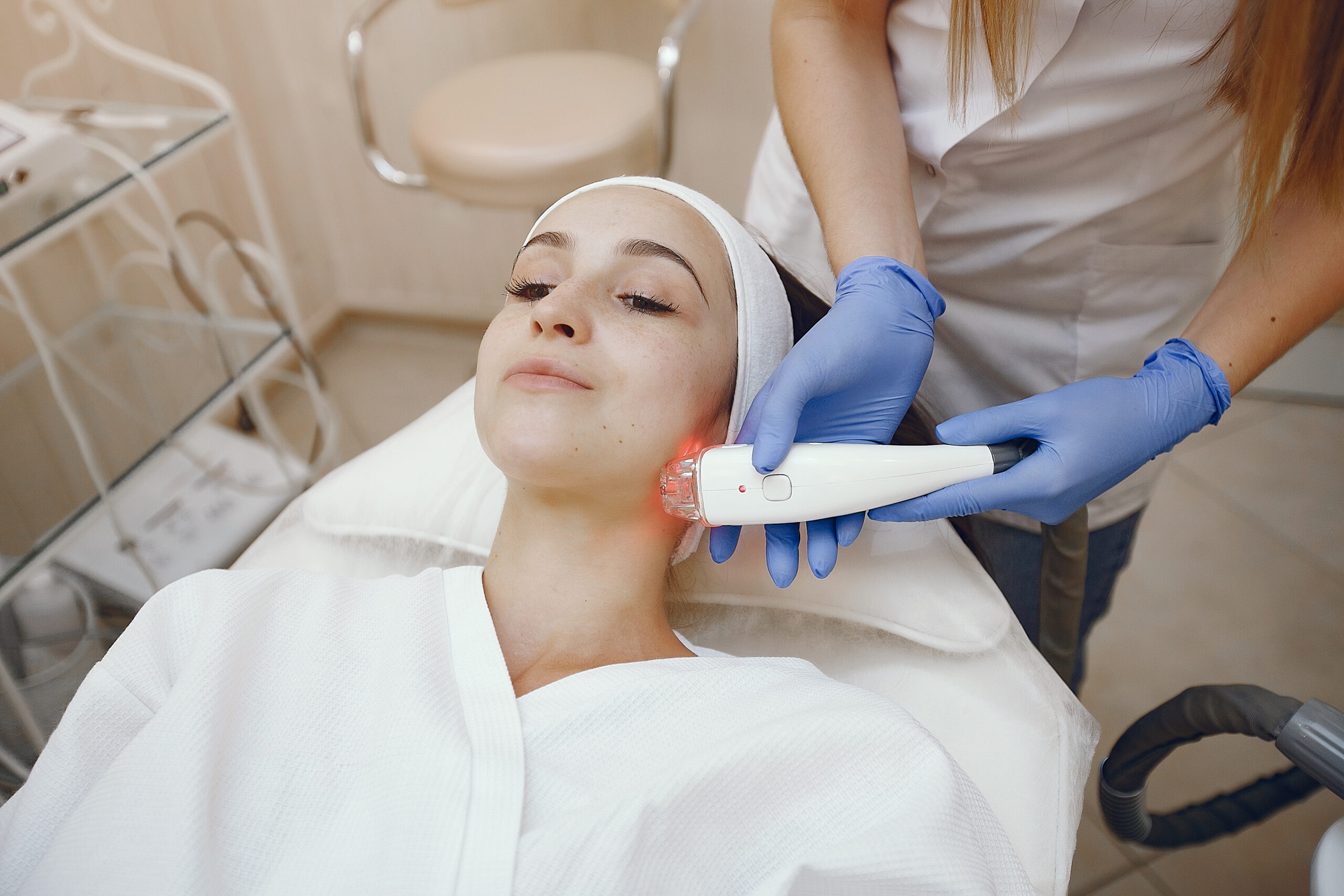
Acne scars, stubborn pigmentation and uneven skin texture may look like similar concerns, but they often require different treatments. A laser designed to reduce dark spots may not improve deep acne scars, while resurfacing procedures may be unnecessary for mild skin discolouration.
This is why choosing the right laser skin treatment in bangalore begins with understanding the concern rather than selecting a procedure based on popularity.
Modern dermatology offers several laser technologies that target pigmentation, support collagen remodelling or improve selected skin irregularities. However, each has different benefits, recovery requirements and limitations.
This guide explores six laser and light-based treatment options, explains who may benefit and highlights important factors to consider before booking a procedure.
How Do Laser Skin Treatments Work?
Laser treatments use concentrated light energy to target specific structures within the skin. Depending on the wavelength and technology, this energy may interact with pigment, blood vessels or water-containing tissue.
For example, fractional resurfacing lasers create controlled treatment zones that encourage collagen remodelling, while pigment-targeting lasers are designed to affect selected melanin deposits.
Not every laser works in the same way, and not every skin concern requires laser treatment.
The right procedure depends on several factors:
- Type and severity of the skin concern.
- Skin tone and sensitivity.
- Previous treatment history.
- Potential pigmentation risks.
- Expected recovery time.
- Individual treatment goals.
A dermatologist can help determine whether a laser procedure offers an advantage over topical treatments, chemical peels or other available options.
Top 6 Laser Skin Treatments for Different Skin Concerns
1. Fractional Laser Resurfacing for Acne Scars
Acne can leave depressions and irregularities in the skin long after active breakouts have cleared.
Fractional laser resurfacing is one approach used to improve selected acne scars. The procedure creates microscopic treatment zones, encouraging the skin’s natural repair process and collagen remodelling.
Over time, this may help make certain depressed scars less noticeable.
Who may benefit?
- Individuals with selected rolling or boxcar acne scars.
- People experiencing uneven skin texture after acne.
- Patients whose active acne is adequately controlled.
- Individuals suitable for resurfacing after dermatological assessment.
What results can you expect?
Improvements generally develop gradually as collagen remodelling occurs. Multiple sessions may be recommended depending on scar depth and treatment response.
However, fractional lasers cannot guarantee complete scar removal. Deep ice-pick scars or tethered scars may require additional approaches such as subcision or targeted scar procedures.
People researching laser treatment for acne scars in bangalore should understand the type of scarring they have before deciding on resurfacing.
2. Pigment-Targeting Lasers for Dark Spots and Uneven Tone
Dark spots may develop because of sun exposure, previous inflammation or certain pigmentation disorders.
Some pigment-targeting lasers use short pulses of energy to interact with melanin within selected areas of the skin.
Q-switched lasers, including certain Nd systems, may be considered for specific benign pigmented lesions.
Potential applications include:
- Selected sun-related dark spots.
- Certain localised benign pigmentation concerns.
- Pigmentation assessed as suitable for laser treatment.
- Specific conditions that have not responded adequately to conservative care.
However, not every dark patch should be treated with a laser.
Melasma, for example, often requires careful long-term management. Laser procedures can sometimes worsen melasma or cause pigmentation to return.
People considering melasma treatment in bangalore should first confirm the diagnosis and discuss the risks of procedural treatment.
What results can you expect?
Response depends on the pigment type, its depth and the chosen device. Some patients may need repeated sessions, while others may be better suited to non-laser treatment.
Temporary redness, swelling and post-inflammatory pigmentation changes are possible.
3. Carbon Laser Facial for Oily Skin and Surface Texture
A carbon laser facial combines a carbon-based lotion with laser energy.
The carbon preparation is applied to the skin before the laser is passed over the treated area. The procedure is commonly offered to improve the temporary appearance of oily, congested or rough-looking skin.
Unlike fractional resurfacing, a carbon facial is generally considered a cosmetic treatment rather than a procedure for correcting deep structural scars.
Who may consider this treatment?
- Individuals with oily skin.
- People concerned about congested pores.
- Those experiencing mild surface roughness.
- Patients seeking a smoother-looking skin appearance.
Potential benefits include:
- Temporary improvement in skin smoothness.
- Reduction in the appearance of surface oiliness.
- A refreshed appearance after treatment.
- Cosmetic improvement in selected cases of uneven texture.
Research supporting long-term improvements in acne, pigmentation or pore size remains limited.
For people exploring carbon facial in bangalore, it is useful to understand that a cosmetic facial cannot replace established treatment for active acne or deep acne scars.
What results can you expect?
Some patients notice a temporary improvement in skin appearance after treatment. Results vary, and repeated sessions may be suggested depending on the concern.
4. Vascular Laser Treatments for Red Acne Marks
Not all post-acne marks appear brown. Some remain pink or red because of changes in superficial blood vessels following inflammation.
These marks are commonly referred to as post-inflammatory erythema.
Selected vascular lasers, such as pulsed dye lasers, can be used to target certain superficial blood vessel-related concerns.
Intense Pulsed Light (IPL) may also be considered for selected cases, although IPL is technically a broad-spectrum light treatment rather than a laser.
When may these procedures be useful?
- Persistent red marks following acne.
- Selected facial redness concerns.
- Certain superficial vascular irregularities.
- Cases where a dermatologist identifies a suitable vascular target.
What should you know before treatment?
Vascular laser procedures are different from pigment-targeting treatments. A device designed to address redness may not improve brown pigmentation or deep acne scars.
Temporary swelling, redness and bruising may occur. Treatment suitability also depends on skin tone and individual pigmentation risk.
Not every red mark requires a procedure, as some gradually improve without intervention.
5. CO2 and Erbium Lasers for Uneven Skin Texture
Uneven skin texture may develop because of acne scarring, ageing or previous skin damage.
CO2 and erbium lasers are resurfacing technologies that target water-containing tissue in the skin. Depending on the treatment settings, they may remove or heat selected skin layers to encourage remodelling.
These procedures may be considered for certain textural concerns.
Potential applications include:
- Selected fine lines and wrinkles.
- Certain depressed acne scars.
- Rough or irregular skin texture.
- Some forms of sun-related skin damage.
What makes these treatments different?
CO2 and erbium lasers can vary in treatment depth, tissue interaction and recovery requirements. The appropriate choice depends on the patient’s skin characteristics and treatment goals.
More intensive resurfacing may offer meaningful improvement for selected concerns but can also involve greater downtime.
Possible side effects include:
- Temporary redness and swelling.
- Skin sensitivity and peeling.
- Post-inflammatory darkening or lightening.
- Infection or scarring in uncommon cases.
- Prolonged redness following more intensive treatment.
A dermatologist should explain the expected recovery and whether a less intensive approach may be suitable.
6. Laser Tattoo Removal for Unwanted Pigment
Laser technology is also used to reduce unwanted tattoo ink.
Unlike resurfacing treatments for acne scars or skin texture, tattoo-removal lasers target pigment particles deposited within the skin.
The laser breaks ink particles into smaller fragments, which the body gradually clears through its natural processes.
Factors influencing treatment include:
- Tattoo size and location.
- Ink colour and composition.
- Depth and density of the pigment.
- Skin tone.
- Previous tattoo treatments.
Black ink often responds relatively well to selected laser wavelengths, while some coloured inks can be more difficult to treat.
What results can you expect?
Tattoo removal generally requires multiple sessions. Complete clearance cannot be guaranteed, and some ink may remain visible.
Possible complications include blistering, temporary swelling, pigment changes and scarring.
People exploring tattoo removal treatment in bangalore should discuss the expected number of appointments, realistic clearance and recovery requirements.
Which Laser Skin Treatment Is Best for Your Concern?
Different laser technologies target different problems. The following comparison can help you understand which approaches may be discussed during a consultation.
|
Skin Concern |
Treatment Option | Main Purpose |
Important Limitation |
|
Depressed acne scars |
Fractional resurfacing | Collagen remodelling |
Deep scars may need additional procedures |
|
Selected dark spots |
Pigment-targeting lasers | Reduce suitable pigment deposits |
Pigmentation may recur or worsen |
|
Oily or congested skin |
Carbon laser facial | Temporary cosmetic improvement |
Limited evidence for lasting results |
|
Persistent red acne marks |
Vascular lasers | Target selected blood vessel changes |
Not suitable for every mark |
|
Uneven texture and fine lines |
CO2 or erbium lasers | Skin resurfacing |
Recovery and pigmentation risks |
|
Unwanted tattoos |
Tattoo-removal lasers | Break down tattoo ink |
Multiple sessions and incomplete clearance possible |
The most effective procedure is the one that addresses the actual skin condition.
Someone with mild pigmentation may benefit from topical treatment rather than laser therapy. Meanwhile, a person with structural acne scars may require resurfacing or a different scar-specific procedure.
How Do You Know Whether Laser Treatment Is Right for Your Skin?
Before choosing a procedure, it helps to understand whether your skin concern is likely to respond to laser energy.
If You Have Acne Scars
A dermatologist should examine the scar type and depth. Fractional resurfacing may improve selected scars, but deep or tethered scars sometimes require other procedures.
If You Have Dark Pigmentation
The cause should be identified before treatment. Melasma, post-inflammatory pigmentation and sun-related spots may look similar but require different approaches.
If You Have Uneven Texture
Skin roughness caused by dehydration or surface buildup may not need intensive resurfacing. More persistent structural changes may warrant professional assessment.
If You Have Sensitive or Pigmentation-Prone Skin
Certain treatments carry a higher risk of irritation or post-inflammatory pigmentation. Device selection and treatment settings should take this into account.
If You Want Minimal Downtime
Recovery varies considerably. Some cosmetic treatments involve limited interruption, while stronger resurfacing procedures may require an extended healing period.
The right decision should balance expected improvement with safety, recovery and long-term skin health.
Top 5 Things to Check Before Booking Laser Skin Treatment
1. Accurate Diagnosis
Make sure the clinician identifies whether the concern involves pigment, blood vessels, surface texture or structural scarring.
2. Suitable Laser Technology
Ask which device is being recommended and why it is appropriate for your specific concern.
3. Experience of the Treating Professional
Check the clinician’s relevant qualifications and experience with the proposed procedure and your skin type.
4. Expected Recovery and Side Effects
Discuss redness, swelling, peeling, pigmentation changes and any restrictions following treatment.
5. Realistic Results
Ask what level of improvement may be achievable and whether additional sessions or complementary treatments could be necessary.
A useful consultation should explain not only what laser treatment can improve, but also what it cannot reliably correct.
How to Prepare for Laser Skin Treatment
Preparation depends on the type of procedure, but several steps are commonly important.
Avoid unnecessary sun exposure. Recent tanning may increase the risk of unwanted pigment changes with certain devices.
Share your medical history. Inform the clinician about medications, previous skin procedures, allergies and any history of abnormal scarring.
Discuss active skin conditions. Infections, irritated skin or active inflammation may require treatment before a laser procedure.
Follow skincare instructions. Your clinician may recommend temporarily avoiding selected exfoliating products or other active ingredients.
Understand the recovery period. Plan around the procedure’s expected downtime rather than assuming every laser treatment allows an immediate return to normal activities.
Do not stop prescribed medications unless the treating healthcare professional advises you to do so.
What Should You Do After Laser Skin Treatment?
Proper aftercare supports healing and can help reduce avoidable complications.
- Cleanse gently: Use products recommended by the treating professional.
- Protect the skin: Follow advice about sun exposure, protective clothing and when sunscreen can safely be applied.
- Avoid picking: Do not remove peeling skin or scabs prematurely.
- Limit irritating skincare: Strong exfoliants and active ingredients may need to be paused during recovery.
- Attend follow-up appointments: Reviews allow the clinician to assess healing and treatment response.
The aftercare instructions for a carbon facial will differ from those for intensive resurfacing or tattoo removal.
Contact your clinician if you develop increasing pain, spreading redness, discharge, fever or unexpected blistering.
Frequently Asked Questions
1. Which is the best laser skin treatment in Bangalore?
The best procedure depends on the skin concern. Fractional lasers may help selected acne scars, pigment-targeting devices may address certain dark spots, and resurfacing procedures may improve uneven texture.
2. Is laser skin treatment safe for Indian skin tones?
Some laser procedures can be performed on Indian skin tones with appropriate device selection and treatment settings. However, post-inflammatory pigmentation is an important risk, and suitability requires individual assessment.
3. How many laser sessions are needed for acne scars?
The number of sessions depends on scar type, treatment intensity and individual response. Some patients need several appointments, while others may benefit from a combination of treatments.
4. Can laser treatment permanently remove pigmentation?
Certain pigmented lesions may respond well to laser treatment, but recurrence or unwanted pigment changes are possible. Conditions such as melasma often require long-term management.
5. Is laser treatment painful?
Discomfort varies according to the technology, treatment area and procedure intensity. Some treatments produce mild warmth or stinging, while others may require topical anaesthesia or additional comfort measures.
Find the Right Laser Skin Treatment at KEZA Skin & Hair Clinic
Acne scars, pigmentation and uneven skin texture can require different approaches, even when the concerns appear similar.
Understanding the cause is the first step towards selecting a suitable procedure. From fractional resurfacing and pigment-targeting lasers to cosmetic facials and tattoo removal, each treatment has different benefits and limitations.
KEZA Skin & Hair Clinic in Indiranagar, Bangalore, provides consultations for skin and aesthetic concerns, including laser-based procedures.
Explore KEZA’s laser skin treatment in bangalore and book a consultation to discuss your skin concern, suitable treatment options, expected results and recovery requirements.


