
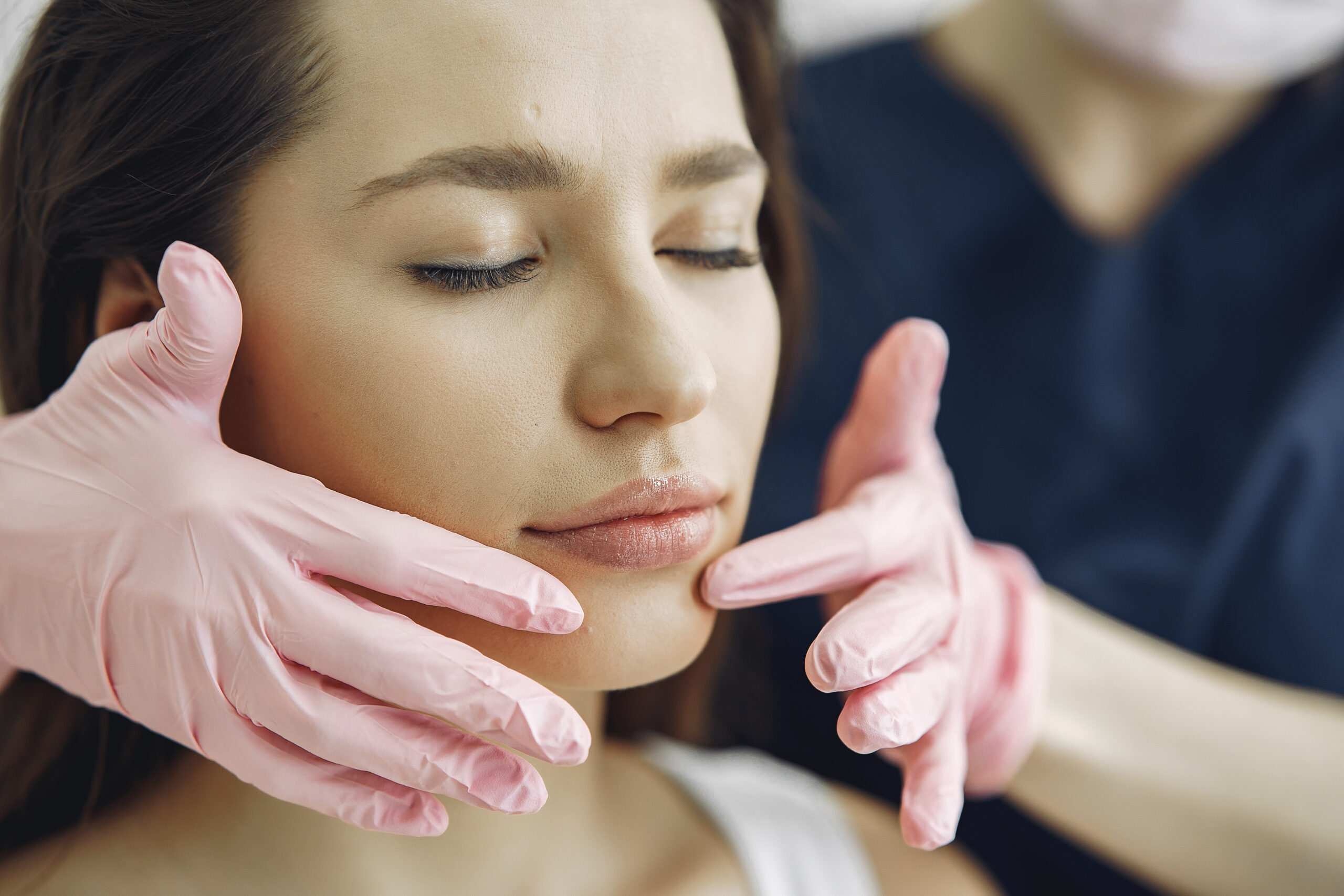
Dark or unevenly coloured lips can develop gradually, sometimes without an obvious reason. While some people naturally have more pigment in their lips, others notice changes caused by sun exposure, smoking, irritation or certain medical conditions. With so many products and procedures promising pinker lips, choosing the right option can be confusing.
The best lip pigmentation treatment in bangalore depends on what is causing the discolouration and whether the goal is to address acquired pigmentation or improve the cosmetic appearance of naturally darker lips.
From protective lip care to professional treatments such as laser therapy and lip neutralisation, different approaches serve different purposes. This guide explores six options, explains their benefits and limitations, and helps you understand which may be worth discussing with a specialist.
What Causes Dark Lips and Uneven Lip Pigmentation?
Before choosing a treatment, it is important to understand why lip pigmentation develops.
Melanin is the pigment responsible for natural skin and lip colour. Some people naturally have darker or two-toned lips, which is normal and does not require medical treatment.
However, acquired pigmentation may develop due to several factors.
- Sun exposure: Ultraviolet radiation can contribute to increased pigmentation and visible darkening.
- Smoking: Tobacco exposure may cause pigmentation changes over time.
- Allergic reactions: Certain lipsticks, balms and toothpaste ingredients can cause irritation and inflammation.
- Repeated friction: Lip licking, biting and harsh scrubbing can worsen irritation.
- Medical conditions: Certain medications, inflammatory conditions and systemic disorders may contribute to discolouration.
A new, changing or irregular dark spot should be medically assessed before any cosmetic treatment.
Best Lip Pigmentation Treatments Worth Considering
1. Lip Neutralisation for Uneven Lip Colour
Lip neutralisation is a cosmetic pigmentation procedure designed to improve the visible appearance of dark or unevenly coloured lips.
It uses specialised pigments applied through a cosmetic tattooing technique to balance the existing lip tone. Unlike treatments that attempt to reduce melanin, lip neutralisation works by adding colour.
The technique is commonly considered by people with naturally darker lips or uneven cosmetic pigmentation who want a more balanced appearance.
Potential benefits include:
- Improving the appearance of uneven lip colour.
- Creating a more balanced cosmetic tone.
- Reducing dependence on daily lip makeup.
- Customising pigment selection to individual preferences.
The procedure generally involves an initial assessment, pigment selection, application and a healing period. Additional sessions may be required to achieve the intended appearance.
However, lip neutralisation does not remove the biological cause of pigmentation. It also carries risks such as infection, allergic reactions, uneven pigment retention and unwanted colour changes.
KEZA offers lip neutralisation as part of its pmu treatment in bangalore services.
A consultation should clarify the expected colour, healing requirements and potential limitations before proceeding.
2. Laser Treatment for Selected Lip Pigmentation
Laser therapy may be considered for certain forms of acquired lip pigmentation after a specialist has confirmed the diagnosis.
Some pigment-targeting lasers use controlled energy to affect melanin within the treated area. Small clinical studies have reported improvement in selected cases of benign lip pigmentation, although evidence remains limited.
When might laser treatment be considered?
- Persistent, diagnosed benign lip pigmentation.
- Selected pigmentation that has not improved with conservative care.
- Patients whose lip condition and medical history make laser treatment appropriate.
The type of laser, treatment settings and number of sessions depend on the individual condition.
Possible side effects include swelling, irritation, blistering, post-inflammatory darkening or unwanted lightening.
Because the lips are sensitive, laser treatment should not be selected simply because it is marketed as an advanced option.
It is also important to distinguish darkening of the lips from pigmentation affecting the skin above the upper lip.
For example, melasma treatment in bangalore targets a different pigmentation condition that commonly affects facial skin.
Correctly identifying the affected area and cause helps avoid unsuitable procedures.
3. Dermatologist-Guided Topical Treatments
Not every type of lip pigmentation requires a procedure.
When darkening is associated with irritation, inflammation or another treatable condition, a dermatologist may recommend suitable topical care or medication.
The lip area is more delicate than much of the surrounding facial skin. Products intended for facial pigmentation are not automatically suitable for direct application to the lips.
A treatment plan may include:
- Identifying and avoiding irritating products.
- Managing inflammation when present.
- Using appropriate barrier-supporting lip care.
- Treating an underlying medical condition when necessary.
Some prescription products used for facial pigmentation can irritate the lips or cause further discolouration if applied incorrectly.
People exploring the best skin brightening treatment in Bangalore should therefore understand that lip pigmentation needs a separate assessment from ordinary facial dark spots.
Expected results: Improvement may develop gradually when acquired pigmentation responds to treatment. Naturally darker lip colour may not change significantly with topical care.
4. SPF Lip Balm for Sun-Related Darkening
Sun protection is one of the simplest ways to help prevent further UV-related lip pigmentation.
The lips receive regular sun exposure during commuting, outdoor activities and daily routines, yet many people overlook them when applying sunscreen.
A broad-spectrum SPF 30 or higher lip balm can help protect the area.
What should you look for?
- Broad-spectrum UV protection.
- A non-irritating formulation.
- Moisturising ingredients.
- A texture comfortable enough for regular reapplication.
Lip balm with SPF helps reduce further UV exposure. It should not be expected to remove established pigmentation immediately.
People experiencing frequent lip dryness may also benefit from gentle, fragrance-free moisturising products.
For persistent pigmentation, sun protection is best considered a supporting measure rather than a complete treatment.
5. Managing Smoking-Related Lip Pigmentation
Smoking is associated with changes in lip and oral pigmentation. Repeated tobacco exposure can contribute to darkening over time.
Stopping smoking is important for overall health and may also prevent further tobacco-related pigmentation.
However, pigmentation that has developed over several years may not disappear immediately after quitting.
Helpful steps include:
- Stopping tobacco use.
- Avoiding repeated lip irritation.
- Maintaining gentle lip hygiene.
- Using suitable moisturising products.
- Seeking medical evaluation for unusual or changing patches.
Some smoking-related pigmentation may fade gradually after the contributing exposure stops, although the extent of improvement varies.
If cosmetic discolouration persists, a specialist can assess whether additional treatment is appropriate.
6. Treating Lip Pigmentation Caused by Allergies or Irritation
Sometimes, dark lips are the result of repeated inflammation rather than natural pigmentation.
Allergic contact reactions may occur after using certain lipsticks, fragranced balms, toothpaste or other products.
The initial symptoms can include dryness, itching, burning, redness or peeling. Persistent inflammation may then leave post-inflammatory pigmentation.
Signs that irritation may be contributing include:
- Burning after applying lip products.
- Recurring dryness or peeling.
- Cracking around the lip borders.
- Darkening following irritation.
- Persistent sensitivity to certain products.
The most useful treatment may involve identifying and removing the triggering ingredient.
A dermatologist may recommend appropriate topical care and, when needed, allergy testing.
Avoid applying lemon juice, harsh scrubs or strong exfoliating acids to the lips. These home remedies can worsen inflammation and potentially increase pigmentation.
Which Lip Pigmentation Treatment Is Best for Your Concern?
Different causes of dark lips require different approaches. The following comparison can help you understand the options.
|
Lip Concern |
Treatment to Consider |
Important Limitation |
|
Naturally dark or uneven lip colour |
Lip neutralisation |
Cosmetic correction, not pigment removal |
|
Selected acquired benign pigmentation |
Specialist laser treatment |
Possible pigment changes and recurrence |
|
Inflammation-related pigmentation |
Dermatologist-guided topical care |
Improvement depends on the cause |
|
Sun-related darkening |
SPF lip balm |
Preventive rather than immediate correction |
|
Smoking-related pigmentation |
Tobacco cessation and supportive care |
Existing pigmentation may persist |
|
Allergy-related darkening |
Remove the trigger and treat inflammation |
Requires identification of the cause |
There is no universal treatment that works for every type of lip discolouration.
For someone with naturally darker lips, treatment may be an entirely cosmetic choice. For someone with acquired pigmentation, identifying the underlying cause is more important than immediately selecting a procedure.
Lip Neutralisation vs Laser Treatment: What’s the Difference?
Although both procedures may be discussed for lip pigmentation, they work differently.
|
Factor |
Lip Neutralisation |
Laser Treatment |
|
Main purpose |
Cosmetic colour correction |
Target selected pigmentation |
|
Method |
Deposits cosmetic pigment |
Uses controlled laser energy |
|
Suitable concern |
Selected dark or uneven cosmetic lip tones |
Certain diagnosed benign pigment changes |
|
Removes underlying melanin? |
No |
May reduce selected melanin deposits |
|
Result |
Changes visible lip colour |
May lighten suitable pigmentation |
|
Important risks |
Allergies, infection, unwanted colour | Irritation, burns, pigment changes |
Lip neutralisation may appeal to people looking for a different cosmetic lip tone, while laser therapy may be considered when a diagnosed pigmentation concern is suitable for treatment.
Neither procedure should be expected to permanently create a specific natural lip colour.
What Should You Check Before Choosing a Lip Pigmentation Clinic?
Choosing the right professional matters because lip procedures involve sensitive tissue and visible cosmetic results.
1. Assessment of the Pigmentation
The practitioner should understand whether the lip colour is natural, acquired, inflammatory or potentially related to another medical condition.
2. Relevant Professional Experience
Check the qualifications and experience of the medical professional or appropriately trained cosmetic practitioner involved.
3. Treatment Suitability
Ask why a particular procedure is being recommended and what alternatives are available.
4. Hygiene and Safety
For cosmetic pigmentation, understand the equipment, pigment selection, infection-control practices and possible reactions.
5. Realistic Results and Aftercare
Discuss expected colour changes, healing time, maintenance needs and possible complications.
Do not choose a procedure solely because it promises permanently pink lips or immediate results.
People comparing lip treatments with broader skin whitening treatment in bangalore should remember that procedures suitable for facial skin may not be appropriate for the lips.
How to Maintain Healthy-Looking Lips After Treatment
Aftercare depends on the treatment selected, but gentle lip care is important throughout recovery.
Protect against sunlight. Use appropriate lip sun protection once permitted by your treating professional.
Avoid picking or peeling. Removing healing skin prematurely may increase irritation or affect cosmetic results.
Keep the lips moisturised. Use products recommended for your condition and avoid known irritants.
Follow treatment-specific guidance. Laser therapy and lip neutralisation have different healing requirements.
Monitor unusual symptoms. Increasing pain, persistent swelling, discharge or signs of infection should be assessed promptly.
Healthy lip care can support recovery, but it cannot guarantee a permanent cosmetic result.
When Should You Consult a Dermatologist for Dark Lips?
Not every case of darker lip colour needs medical treatment. Natural pigmentation is common and generally harmless.
However, newly developing or changing pigmentation deserves attention.
Consider a medical assessment if you notice:
- A new or enlarging dark spot.
- Irregular pigmentation.
- Persistent sores or cracking.
- Unexplained bleeding.
- A patch that changes shape or colour.
- Discolouration accompanied by other symptoms.
These signs should be evaluated before undergoing cosmetic pigmentation or laser treatment.
Frequently Asked Questions
1. What is the best lip pigmentation treatment in Bangalore?
The most suitable treatment depends on the cause. Lip neutralisation may help change the cosmetic appearance of uneven lip colour, while dermatologist-guided treatment may be appropriate for certain acquired pigmentation conditions.
2. Can dark lips become permanently pink?
Naturally darker lips are normal. No responsible treatment should guarantee a permanent change to a specific pink shade. Cosmetic procedures may alter appearance, but results vary and may change over time.
3. Is lip neutralisation better than laser treatment?
Neither is universally better. Lip neutralisation uses cosmetic pigments, while laser treatment may target certain diagnosed pigment changes. They address different goals and have different risks.
4. How long does lip pigmentation treatment take to show results?
The timeline depends on the treatment. Topical care may require weeks or months, while cosmetic pigmentation changes become visible after treatment but continue to develop during healing. Laser treatment outcomes also vary.
5. Can lip pigmentation return after treatment?
Yes. Sun exposure, smoking, irritation or underlying conditions may contribute to recurring pigmentation. Cosmetic pigments can also fade or change over time.
Explore Lip Pigmentation Treatment at KEZA Skin & Hair Clinic
Dark or uneven lip colour does not always require an intensive procedure. Some concerns improve with protective care or by addressing irritation, while others may benefit from professional treatment or cosmetic colour correction.
Understanding the cause helps you avoid unnecessary products and choose an option that matches your expectations.
KEZA Skin & Hair Clinic in Indiranagar, Bangalore, offers lip neutralisation and other aesthetic treatments for individuals seeking cosmetic lip colour correction.
Explore KEZA’s lip pigmentation treatment in bangalore and book a consultation to discuss your lip concerns, suitable options and realistic results.


