
Skin can look dull or uneven for several reasons. Frequent sun exposure may leave visible tanning, while pigmentation, dehydration and certain skin conditions can create darker patches or an uneven appearance. Although these concerns are often grouped together, they do not always respond to the same treatment.
People searching for skin whitening treatment in bangalore may be looking to reduce tanning, improve pigmentation or restore a more even skin tone. The right approach depends on what is causing the change, not simply how dark or dull the skin appears.
From professional facials to targeted pigmentation treatments, several options are available. This guide explains the best approaches for six common skin concerns, their benefits and what to consider before selecting a procedure.
Skin Whitening vs Skin Brightening: What’s the Difference?
The terms skin whitening and skin brightening are often used interchangeably, but they can describe different goals.
Skin brightening generally focuses on improving the appearance of dullness, dehydration and uneven tone. It may involve hydration, exfoliation and treatments targeting superficial pigmentation.
Skin whitening is a commonly searched term for procedures intended to reduce excess pigmentation. However, no responsible treatment should promise to permanently change a person’s natural skin colour.
The goal of professional care should be healthier-looking, more even skin while protecting its natural pigmentation and barrier function.
A proper skin assessment helps determine whether the concern is temporary tanning, pigmentation, melasma or another condition requiring medical attention.
Top Skin Brightening Treatments Based on Your Skin Concern
1. For Sun Tanning: Superficial Chemical Peels
Spending time outdoors can lead to tanning and uneven pigmentation, particularly on areas frequently exposed to sunlight.
Chemical peels are one option for selected superficial pigmentation concerns. They use controlled exfoliating solutions to remove surface skin cells and encourage renewal.
Depending on the skin condition, dermatologists may consider glycolic acid, mandelic acid or other superficial peel formulations.
Potential benefits include:
- Improvement in selected superficial pigmentation.
- Smoother-looking skin texture.
- Reduction in the appearance of uneven tone.
- Gradual improvement in certain sun-related dark spots.
What should you expect?
Mild improvements may become noticeable over several weeks, while more persistent pigmentation may require multiple sessions.
Chemical peels can also cause irritation, burns or additional pigmentation when used incorrectly. Stronger peels are not automatically more effective, particularly for people with pigmentation-prone skin.
Consistent sun protection is essential because continued UV exposure can contribute to recurrent tanning.
2. For Dull and Dehydrated Skin: HydraFacial
Skin that looks dull is not always affected by excess pigmentation. Dehydration, dryness and surface buildup can also reduce its natural radiance.
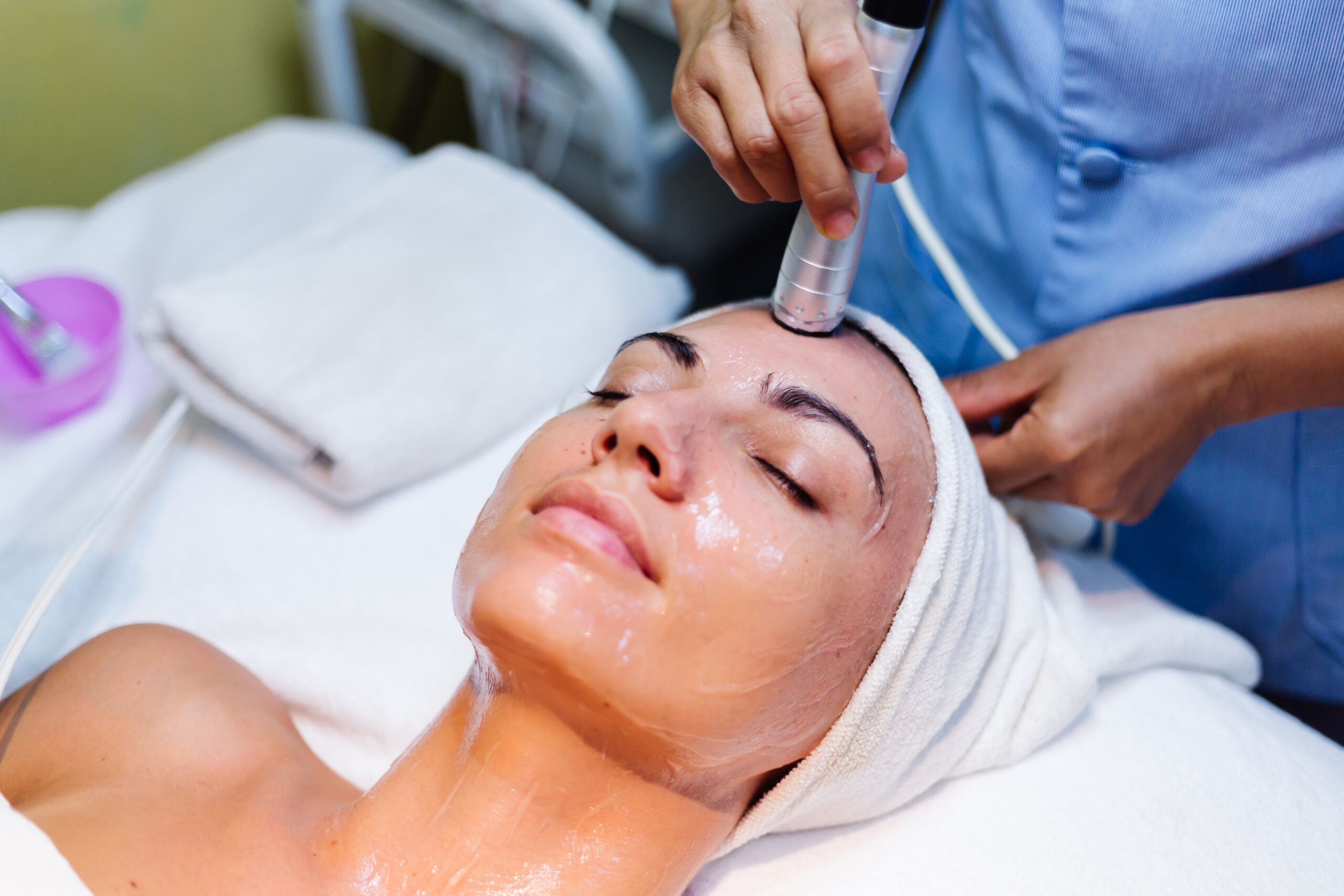
HydraFacial is a non-invasive procedure that combines cleansing, exfoliation, extraction and hydration using a specialised device.
It may help improve the temporary appearance of skin smoothness and hydration.
Who may consider HydraFacial?
- Individuals experiencing dry or dehydrated skin.
- People concerned about rough surface texture.
- Those looking for a refreshed appearance before an event.
- Patients who prefer a relatively gentle facial procedure.
HydraFacial is not a replacement for treatment of melasma, deep pigmentation or structural acne scars.
While the skin may look smoother and more hydrated after a session, these cosmetic effects are generally temporary.
People exploring hydrafacial treatment in bangalore should discuss skin sensitivity, active acne and the expected outcome before booking.
3. For Uneven Skin Tone: Professional Skin Brightening Treatments
Some individuals notice uneven pigmentation across the cheeks, forehead or other facial areas without one clearly defined dark patch.
This may result from sun exposure, previous inflammation or several contributing factors.
Professional skin brightening treatment can involve topical products, carefully selected peels or other procedures based on the cause.
A personalised treatment plan may focus on:
- Reducing visible superficial pigmentation.
- Supporting the skin barrier.
- Improving hydration and surface texture.
- Managing ongoing triggers that worsen uneven tone.
The important consideration is identifying why the skin looks uneven.
For example, skin affected by dryness may benefit from hydration-focused care, while pigmentation caused by inflammation may require a different approach.
People looking for the best skin brightening treatment in Bangalore should compare treatments according to their actual skin concern rather than choosing a procedure solely for its advertised glow.
Results may develop gradually, and appropriate home skincare is often necessary to maintain improvement.
4. For Stubborn Pigmentation: Selected Laser Treatments
Some pigmentation concerns remain visible despite consistent skincare and appropriate topical treatment.
Laser-based procedures may be considered for selected cases, depending on the type and depth of pigmentation.
Different laser technologies interact with pigment in different ways. Their suitability depends on the diagnosis, skin tone, treatment settings and individual risk factors.
Important considerations include:
- Whether pigmentation is superficial or deeper.
- The patient’s skin tone and pigmentation history.
- Previous reactions to cosmetic procedures.
- The possibility of post-treatment darkening.
- Expected downtime and recovery.
Laser treatment is not automatically the best option for every dark patch.
People prone to post-inflammatory hyperpigmentation may develop additional darkening if treatment causes excessive inflammation.
Before choosing a laser procedure, ask why it is being recommended and whether less intensive alternatives may be suitable.
5. For Melasma: Diagnosis-Specific Pigmentation Treatment
Melasma often appears as brown or grey-brown patches across the cheeks, forehead or upper lip.
Unlike ordinary tanning, melasma can be influenced by hormonal factors, sunlight and individual susceptibility. It is also more likely to recur.
Treatment commonly begins with sun protection and carefully selected topical medications. Dermatologists may recommend additional procedures for certain patients, but these require caution.
Important points about melasma:
- Results usually develop gradually.
- Sun protection is essential.
- Some procedures can worsen pigmentation.
- Maintenance may be necessary.
- Complete or permanent clearance cannot be guaranteed.
Visible improvement does not mean the underlying tendency to develop melasma has disappeared.
People exploring melasma treatment in bangalore should seek a diagnosis before choosing a peel or laser procedure.
A long-term approach is often more useful than repeated intensive treatments.
6. For Body Pigmentation: Area-Specific Treatment Plans
Uneven pigmentation is not limited to the face. The arms, neck, underarms, elbows and knees may develop darker areas for different reasons.
Sun exposure may contribute to pigmentation on the arms, while friction and previous inflammation may affect other regions.
However, persistent darkening around the neck or skin folds can sometimes indicate an underlying medical condition that needs evaluation.
Treatment may involve:
- Managing friction and skin irritation.
- Appropriate topical ingredients.
- Carefully selected superficial peels.
- Sun protection for exposed areas.
- Medical evaluation when pigmentation has an unusual appearance.
A treatment suitable for facial pigmentation may not be appropriate for more sensitive body areas.
People considering full body whitening treatment in bangalore should understand that different body areas may require different approaches.
Treating every area with the same intensive procedure is unlikely to address the various causes of pigmentation effectively.
Which Skin Brightening Treatment Should You Choose?
The following comparison provides a starting point for understanding treatment suitability.
|
Skin Concern |
Treatment to Discuss | Main Benefit |
Important Limitation |
|
Superficial tanning |
Selected chemical peels | Improve surface pigmentation |
Irritation and pigmentation risks |
|
Dull, dehydrated skin |
HydraFacial | Temporary hydration and smoothness |
Does not treat deep pigmentation |
|
Uneven skin tone |
Personalised brightening plan | Targets the contributing concerns |
Results depend on the cause |
|
Persistent dark spots |
Selected laser treatments | May improve suitable pigmentation |
Risk of post-treatment darkening |
|
Melasma |
Diagnosis-specific medical care | Helps manage pigmentation |
Recurrence is common |
|
Body pigmentation |
Area-specific treatment | Addresses localised concerns | May require medical investigation |
The most effective approach depends on identifying the underlying condition.
For example, someone with dehydration-related dullness may benefit from a facial treatment, while a person with melasma needs a more targeted management plan.
How Long Do Skin Brightening Treatments Take to Work?
The expected timeline varies considerably between procedures.
Hydration-focused facials may provide a temporary cosmetic improvement after a session. Pigmentation treatments generally require more time.
Superficial dark spots may improve gradually over several weeks or months, while deeper pigmentation and melasma can require longer-term care.
Several factors influence treatment response:
- The underlying cause of pigmentation.
- How long the concern has been present.
- Skin sensitivity and pigmentation tendency.
- Treatment selection and consistency.
- Sun exposure and maintenance skincare.
No treatment can guarantee permanent skin lightening.
A realistic goal is to improve unwanted pigmentation while maintaining the skin’s natural tone and health.
What Should You Check Before Booking a Skin Brightening Treatment?
Choosing a procedure without understanding your skin concern can lead to unnecessary expenses or irritation.
Before booking, consider these five factors.
- Accurate skin assessment
The clinician should identify whether your concern involves tanning, melasma, post-inflammatory pigmentation or another condition.
- Treatment suitability
Ask why a particular facial, peel or laser procedure is appropriate for your skin tone and sensitivity.
- Possible side effects
Discuss irritation, redness, pigmentation changes and recovery requirements.
- Total treatment cost
Understand the number of sessions, follow-up appointments and maintenance expenses.
- Realistic improvement
A responsible treatment plan should focus on achievable results rather than promising an immediate or permanent change in natural skin colour.
These questions can help you compare treatments based on suitability rather than promotional claims.
How to Maintain a More Even Skin Tone
Professional treatment is only one part of managing pigmentation and dullness.
A consistent skincare routine can help maintain results and reduce avoidable irritation.
- Use daily sunscreen: Choose broad-spectrum SPF 30 or higher and reapply when necessary.
- Avoid harsh exfoliation: Excessive scrubbing and strong products can damage the skin barrier.
- Keep skin hydrated: Suitable moisturisers help support skin comfort and barrier function.
- Address underlying triggers: Continued sun exposure, inflammation or friction can contribute to recurring pigmentation.
- Follow medical guidance: Use prescribed products as directed and attend follow-up appointments when recommended.
For persistent pigmentation, continued care may be necessary even after visible improvement.
Frequently Asked Questions
1. Which is the best skin whitening treatment in Bangalore?
There is no single best treatment for everyone. Superficial chemical peels, selected laser procedures and medical pigmentation treatments may be appropriate depending on the diagnosis, skin tone and treatment goals.
2. Is skin brightening treatment suitable for all skin types?
Different skin types can benefit from appropriate care, but not every procedure is suitable for everyone. Sensitive or pigmentation-prone skin may require a gentler approach.
3. Can skin whitening treatment permanently change natural skin colour?
No treatment should be expected to safely and permanently change a person’s natural genetically determined skin colour. Professional care should focus on unwanted pigmentation and uneven tone.
4. Is HydraFacial better than chemical peeling?
They serve different purposes. HydraFacial primarily focuses on cleansing, exfoliation and hydration, while selected chemical peels may help address superficial pigmentation.
5. How much does skin whitening treatment cost in Bangalore?
Costs vary according to the procedure, treatment area, number of sessions and follow-up requirements. KEZA’s published skin whitening service page lists basic treatments starting from ₹3,000, but current pricing should be confirmed during consultation.
Find the Right Skin Brightening Treatment at KEZA Skin & Hair Clinic
Tanning, dullness and uneven pigmentation may look similar, but they often need different treatment approaches. Understanding the cause helps you choose a procedure that supports your skin’s natural tone rather than pursuing unnecessary or aggressive treatment.
KEZA Skin & Hair Clinic in Indiranagar, Bangalore, offers consultations for pigmentation, skin brightening and related skin concerns, with treatment options selected according to individual needs.
Explore KEZA’s skin whitening treatment in bangalore and book a consultation to discuss suitable procedures, realistic results and current treatment costs.


