
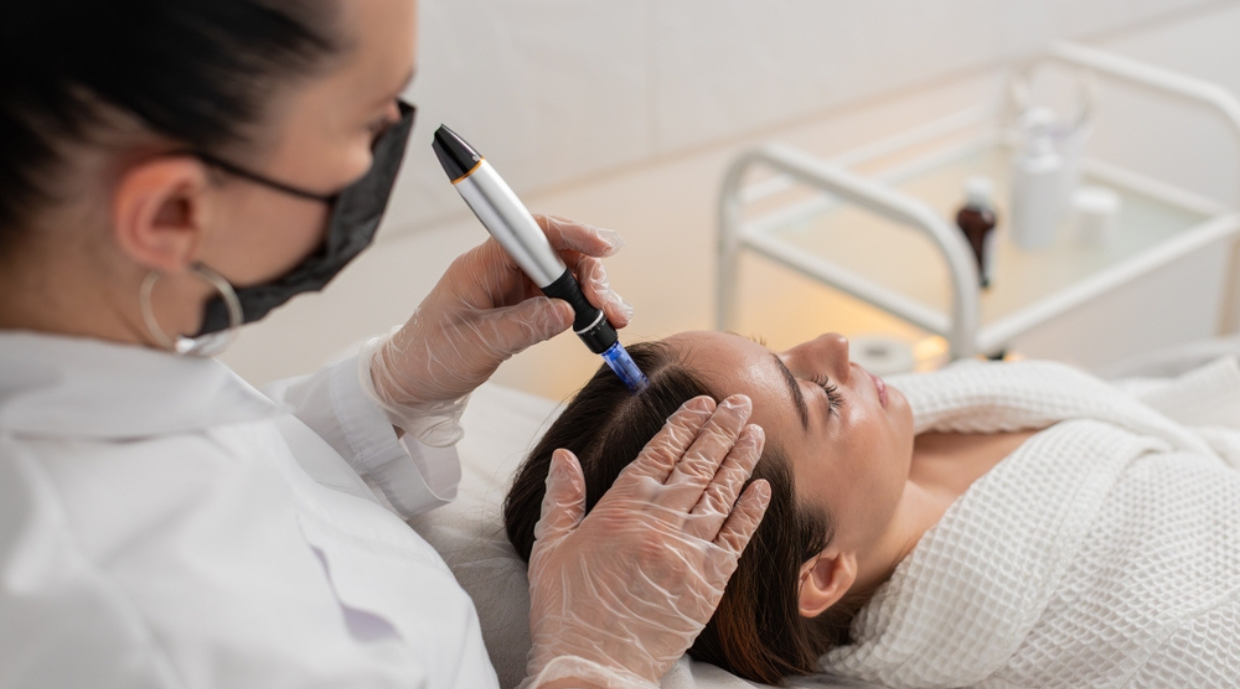
A HydraFacial is a non-invasive facial treatment that combines cleansing, exfoliation, extraction and hydration in one session. It is often chosen by people who want fresher-looking skin without going through a treatment that needs a long recovery period.
But acne, pigmentation and dull skin are not the same concern. A person with a few clogged pores may need something very different from someone with active acne or melasma.
That is why it is important to understand what a HydraFacial treatment can realistically help with, what it cannot do, and when you may need a more specific skin treatment.
1. What Does a HydraFacial Actually Do?
HydraFacial works mainly on the surface of the skin.
The treatment uses a specialised device to clean the skin, loosen dead surface cells, remove some pore congestion and add moisture back into the skin. This can help the face look smoother and more refreshed after treatment.
A HydraFacial may be useful when your main concerns include:
- dull or tired-looking skin
- mild blackheads and congestion
- dryness or dehydration
- rough-looking texture
- visible pores
- excess surface oil
It is mainly a cosmetic skin treatment, so it is important not to expect it to solve every skin problem.
2. Can HydraFacial Help Acne-Prone Skin?
HydraFacial may be helpful for people who have mild congestion, blackheads or oily skin.
The cleansing and extraction steps can remove some oil and debris that have collected inside the pores. This may leave the skin looking cleaner and less congested.
However, acne can develop for many reasons. Hormonal changes, excess oil production, inflammation and blocked follicles can all play a role.
If you have painful pimples, deep acne, cysts or frequent breakouts, a facial may not be enough. In such cases, treating the underlying cause becomes more important than simply cleaning the surface of the skin.
3. When Is HydraFacial Not Enough for Acne?
Not every breakout should be treated in the same way.
If acne is mild and mainly related to congestion, HydraFacial may sometimes be included as part of a wider skincare routine. But active inflammatory acne needs more care.
You should consider getting your skin assessed if you have:
- painful or swollen pimples
- frequent acne that keeps returning
- cysts or nodules
- acne that is leaving marks or scars
- very irritated or sensitive skin
- acne along with redness or itching
A proper skin assessment can help decide whether HydraFacial is suitable or whether another acne treatment would be more useful.
4. Does HydraFacial Help Pigmentation?
HydraFacial can make the skin look brighter, but this does not mean it can remove every type of pigmentation.
Exfoliation can help clear some dull surface buildup, while hydration may make the complexion look more even and refreshed. This can make mild unevenness appear less noticeable for some people.
However, pigmentation can happen for different reasons.
It may be linked to sun exposure, acne marks, skin irritation, hormonal changes or conditions such as melasma.
If the pigmentation is deeper or keeps returning, a facial alone may not give the result you are looking for. In such cases, the cause of the pigmentation needs to be understood first.
5. Is HydraFacial Good for Dull Skin?
Dullness is one area where HydraFacial may be particularly useful.
Skin can look dull when dead skin cells build up on the surface or when the skin lacks moisture. Lack of sleep, sun exposure and an unsuitable skincare routine can also affect how bright the skin looks.
A HydraFacial treatment may improve dull-looking skin by removing some surface buildup and adding hydration.
After treatment, you may notice:
- softer-looking skin
- a smoother surface
- improved hydration
- a fresher appearance
- a temporary healthy-looking glow
These changes are usually cosmetic and may not last permanently.
6. What Results Can You Expect?
The results of HydraFacial depend on your skin type, concern and the treatment used.
Some people notice a visible change soon after the session, especially when dryness or dullness is the main problem.
You may see:
Smoother skin: Exfoliation can help reduce surface roughness.
Better hydration: The skin may feel softer and less tight.
Cleaner-looking pores: Extraction may reduce mild congestion.
Brighter appearance: Removing surface buildup may help the skin look fresher.
It is important to keep expectations realistic. HydraFacial cannot permanently remove severe acne, deep scars or stubborn pigmentation.
7. What Aftercare Should You Follow?
After a HydraFacial, the skin may feel fresh but can also be slightly more sensitive for a short period.
Simple aftercare can help protect the skin and reduce unnecessary irritation.
After your treatment:
- use a gentle cleanser
- apply a simple moisturiser
- wear sunscreen during the day
- avoid harsh scrubs for a short period
- avoid picking or squeezing the skin
- follow any advice given by your treatment provider
If you regularly use retinoids, acids or prescription products, ask when you should restart them.
Sun protection is especially important if pigmentation is one of your main concerns.
8. What Affects HydraFacial Price?
The HydraFacial price can differ from one clinic to another because the treatment may not be exactly the same everywhere.
The final HydraFacial treatment cost may depend on:
- the type of HydraFacial chosen
- products or boosters added
- your individual skin concerns
- additional treatment steps
- the number of sessions suggested
When comparing HydraFacial price in Bangalore, do not look only at the lowest amount.
It is better to understand what the treatment includes, who is assessing your skin and whether the treatment actually suits your concern.
9. Who Should Consider HydraFacial in Bangalore?
A HydraFacial in Bangalore may be worth considering if your main goal is to improve hydration, reduce mild congestion or refresh dull-looking skin.
If you have active acne, persistent pigmentation or a skin condition that keeps returning, it may be better to get your skin assessed first.
At Keza Skin & Hair Clinic, a skin consultation can help identify whether HydraFacial is suitable or whether another treatment would better match your concern.
Conclusion
HydraFacial can be a useful option for people who want cleaner, smoother and more hydrated-looking skin. It may help with mild congestion, surface dullness and temporary dryness, but it should not be treated as a solution for every type of acne or pigmentation.
The most useful approach is to first understand what is causing your skin concern and then choose a treatment that matches it.
If you are considering a HydraFacial treatment in Bangalore, a professional skin assessment can help you decide whether it is the right option for you.
Frequently Asked Questions
1. Can HydraFacial help reduce blackheads?
Yes, HydraFacial may help reduce mild blackheads because the treatment includes cleansing and suction-assisted extraction. Results can vary depending on how congested the pores are.
2. Can HydraFacial make pigmentation lighter?
HydraFacial may make the skin look brighter and more even, but it may not remove deeper or persistent pigmentation. The result depends on the cause of the dark spots.
3. Is HydraFacial useful before an event?
HydraFacial can be considered before an event because many people notice smoother and more hydrated-looking skin after treatment. It is still better to avoid trying a new treatment immediately before an important occasion.
4. How often can HydraFacial be done?
There is no fixed schedule for everyone. The right frequency depends on your skin type, sensitivity, goals and other treatments you may be using.
5. Should I choose HydraFacial if my skin is dull but sensitive?
Possibly, but sensitive skin should be assessed before treatment. The treatment strength, products used and exfoliation level may need to be adjusted to reduce irritation.


