
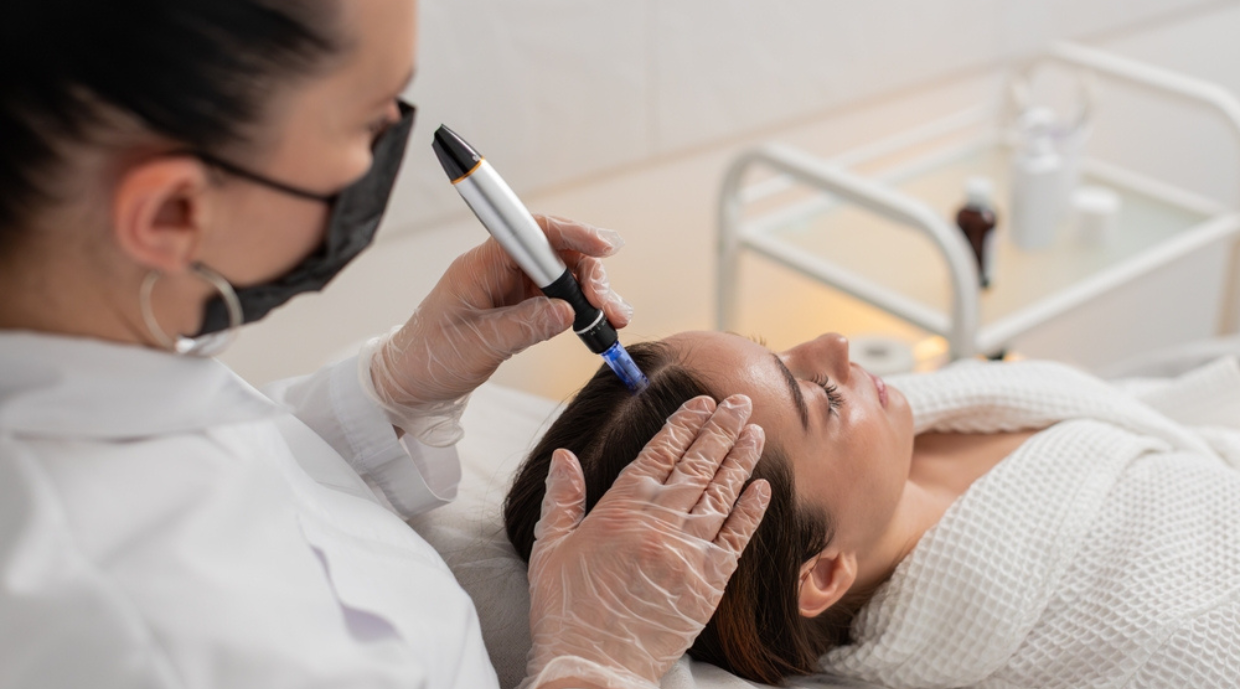
Starting a hair treatment is easier when you know what the appointment actually involves. With PRP, the process usually includes more than the injections themselves. Assessment, blood collection, PRP preparation, scalp treatment, aftercare and follow-up all form part of the overall procedure.
If you are considering PRP treatment in Bangalore, understanding each stage can also help you prepare realistic expectations. PRP may be considered for selected types of hair thinning, but suitability and results depend on the underlying cause of hair loss and the condition of existing follicles.
What Is PRP Hair Treatment?
PRP stands for platelet-rich plasma. It is prepared from a sample of the patient’s own blood. The sample is processed so that a platelet-rich portion of the plasma can be collected and used on selected areas of the scalp.
Platelets contain growth factors involved in normal tissue repair and signalling. PRP has been studied particularly for androgenetic alopecia, commonly known as male or female pattern hair loss.
PRP does not create completely new follicles in areas where follicles have been permanently lost. Its potential role is primarily related to supporting existing follicles in suitable patients.
Before considering the procedure, understanding the different causes of hair loss is important because shedding and thinning may develop for many different reasons.
What Happens Before a PRP Hair Treatment Session?
The treatment process should begin before any blood is collected.
A clinician may first discuss how long you have been experiencing hair loss, whether it developed gradually or suddenly, and which areas have changed most noticeably.
Questions may cover:
- Family history of hair loss
- Previous hair treatments
- Current medicines and supplements
- Recent illness or major stress
- Changes in diet or weight
- Scalp itching, scaling or irritation
- Previous medical conditions
This information helps determine whether the pattern is consistent with a condition for which PRP may be considered.
A physical examination of the scalp may also look at hair density, miniaturization, the distribution of thinning and signs of inflammation or another scalp disorder.
If there are signs of nutritional, hormonal or medical contributors, further evaluation may be recommended before beginning treatment.
How Should You Prepare Before the Appointment?
Preparation varies depending on medical history and the protocol being used, so instructions from the treating clinician should take priority.
Patients should provide a complete list of medications and supplements before the appointment, particularly anything that may affect bleeding or clotting. Do not discontinue prescribed medication on your own simply because you are having PRP.
The scalp should generally be clean when you attend the session. If you use medicated shampoos, topical hair treatments or other scalp products, ask whether they should be used on the day of treatment.
Hydration and general wellbeing may also be discussed because blood needs to be collected during the procedure.
Patients exploring PRP treatment for hair loss should use the consultation to ask about preparation, session frequency and expected recovery rather than relying on another patient’s routine.
What Happens During Blood Collection?
Once the treatment is ready to begin, a small quantity of blood is drawn from a vein in the arm.
For most patients, this step feels similar to having blood collected for a routine laboratory test.
Because PRP is an autologous procedure, the preparation comes from the patient’s own blood. The collected sample is then placed into a system used to separate the different blood components.
The blood is not injected directly into the scalp immediately after collection. It first needs to be processed to prepare the platelet-rich portion used during treatment.
How Is PRP Prepared?
The collected blood is usually processed using centrifugation. Spinning the blood helps separate components according to their density.
The exact PRP preparation method can differ between treatment systems. Platelet concentration, centrifugation technique and the final volume used may therefore vary.
Once processing is complete, the platelet-rich plasma is collected for scalp application.
PRP and GFC are both blood-derived approaches, but they are not identical preparations. People considering either option may come across GFC and PRP treatments as part of the wider discussion around non-surgical hair management.
Which approach is appropriate should depend on clinical assessment rather than assuming that one procedure is automatically better for every person.
What Happens to the Scalp Before the Injections?
Before PRP is administered, the areas being treated are identified and cleaned.
The clinician may focus on areas showing thinning, reduced density or follicular miniaturization. Treatment placement therefore depends on the individual’s pattern of hair loss rather than applying PRP randomly across the entire scalp.
Measures may also be used to make the procedure more comfortable depending on the treatment protocol.
Patients who are particularly sensitive to injections should mention this during the consultation so they understand what sensations to expect and what comfort measures may be available.
What Happens During the PRP Injections?
The prepared PRP is introduced into selected areas of the scalp using multiple small injections.
Because several areas may need treatment, patients usually experience more than one injection point. Sensations may include small pricks, pressure, temporary stinging or tenderness.
The amount of discomfort varies between people.
The number of injection points and the area covered depend on where thinning is present. Someone with crown thinning may have a different treatment pattern from someone with diffuse thinning across a wider area.
The injection stage forms only one part of the appointment. Blood collection, preparation, scalp cleaning and post-treatment assessment also contribute to the total session time.
What Happens Immediately After PRP Treatment?
After the injections are completed, the scalp may be checked before you leave.
Temporary redness, mild swelling, tenderness or sensitivity around injection sites may occur. These effects typically relate to the scalp injections rather than indicating that hair growth has already started.
Patients are generally advised not to repeatedly rub, scratch or press the treatment areas.
Because there are no surgical incisions, lengthy downtime is not normally expected. Many people are able to return to routine activities relatively quickly, although the scalp may remain tender for a short period.
If you develop severe pain, increasing swelling, fever, discharge or symptoms that seem unusual or progressively worsen, contact the treating clinic.
When Can You Wash and Style Your Hair?
Your clinician should provide instructions regarding hair washing after PRP.
You may be asked to wait for a short period before washing the scalp. Once washing is allowed, gentle handling is preferable to aggressive rubbing or scratching.
Styling products, hair oils, sprays and other scalp products may also need to be temporarily avoided if the treated area remains sensitive.
Chemical treatments such as colouring, bleaching, straightening or perming should be discussed when planning PRP appointments.
The timing for returning to your regular routine may differ according to scalp condition and treatment protocol.
Can You Exercise After a PRP Session?
Intense exercise may be temporarily restricted because heavy sweating and increased body temperature may irritate a recently treated scalp.
High-intensity workouts, saunas, steam rooms and similar activities may therefore need to be avoided for a short period.
Light daily activities may be resumed sooner depending on how you feel and the instructions provided.
PRP generally requires relatively little downtime, but this should not be confused with having no aftercare requirements.
A broader review of hair loss treatment options can also help patients understand that different treatments may have different preparation, recovery and maintenance requirements.
What Happens After the First PRP Session?
Hair growth should not be judged immediately after treatment.
Hair follicles move through natural growth cycles, so visible changes generally develop gradually. Some patients may first notice changes in shedding, while differences in thickness or density may take longer to assess.
PRP is also commonly planned as a course rather than a one-time procedure. The number and spacing of sessions depend on the treatment plan, hair-loss stage and clinical response.
Follow-up appointments may include:
- Comparing standardized photographs
- Reviewing changes in shedding
- Examining scalp health
- Assessing hair density
- Discussing treatment tolerance
- Deciding whether further sessions are appropriate
More sessions do not automatically produce faster results. The plan should be reviewed according to response.
What Results Should You Expect?
PRP should be approached with realistic expectations.
It may support existing follicles in suitable patients, but it cannot be guaranteed to reverse every form of hair loss or completely restore advanced bald areas.
Results may differ depending on:
- Cause of hair loss
- Stage of thinning
- Remaining follicle activity
- Scalp condition
- Treatment consistency
- Overall health
- Individual response
If little improvement is seen after an appropriate treatment period, the underlying diagnosis and treatment strategy may need to be reviewed rather than simply continuing injections indefinitely.
Conclusion
A PRP hair treatment session usually involves several stages: consultation and scalp assessment, blood collection, PRP preparation, targeted scalp injections, immediate aftercare and later follow-up.
The procedure itself is only one part of effective hair-loss management. Determining why hair is thinning and whether suitable follicles remain is equally important.
If you are considering PRP treatment in Bangalore, start with a professional hair and scalp assessment. It can help determine whether PRP is appropriate, how your treatment may be planned and what results are realistic for your particular type of hair loss.
Frequently Asked Questions
1. How long does a PRP hair treatment session take?
Appointment length varies according to blood collection, PRP preparation, the size of the treatment area and the clinic’s protocol. The injection stage is only one part of the overall appointment.
2. Is PRP hair treatment painful?
Patients may feel small pricks, pressure or temporary stinging during the scalp injections. Sensitivity differs between individuals, and comfort measures may be discussed before treatment.
3. Can I go to work after a PRP session?
Many people are able to return to normal daily activities relatively soon. Temporary scalp redness or tenderness may still be noticeable for a short period.
4. Can I wash my hair after PRP treatment?
You may be advised to wait for a specific period before washing your hair. Follow the instructions provided after your treatment rather than using a general timetable.
5. Will I see hair growth after the first PRP session?
Visible hair growth should not be expected immediately. Hair follows a natural growth cycle, and treatment response is generally assessed over several months rather than after a single session.


