
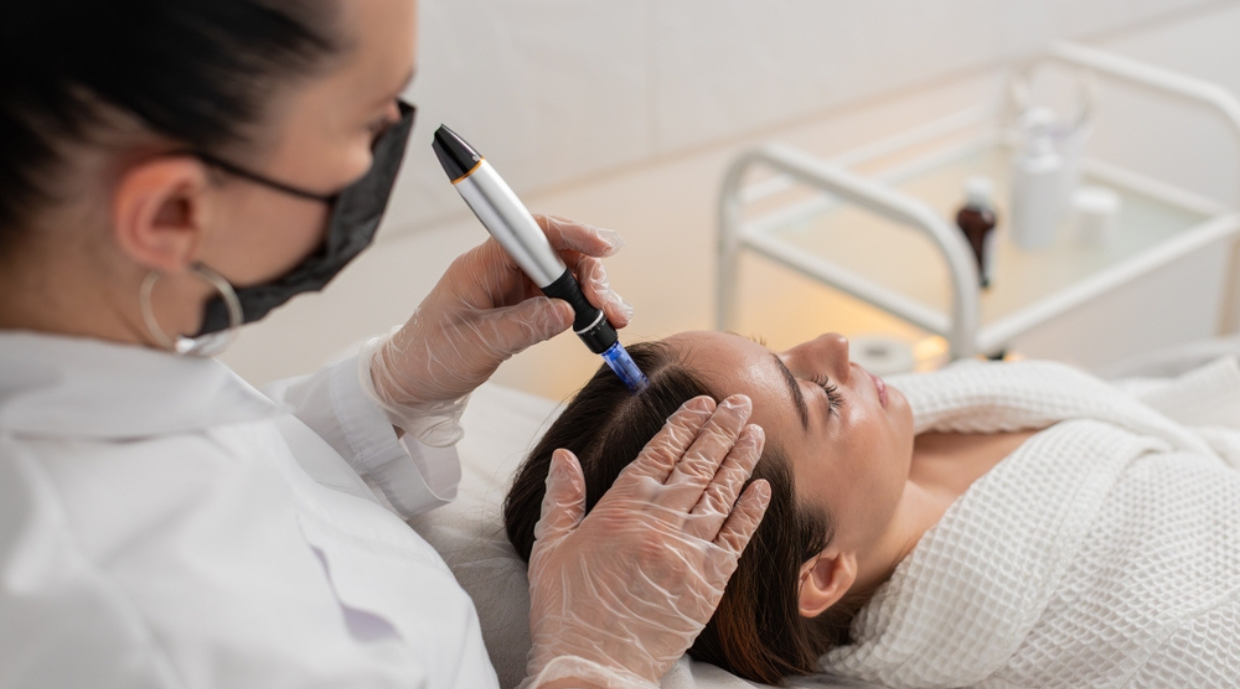
A HydraFacial is a non-invasive facial procedure that combines cleansing, exfoliation, pore extraction, and hydration in one appointment. A handheld device moves across the skin using controlled suction while selected skincare solutions are applied. The goal is to remove surface debris, reduce mild congestion, and leave the skin looking smoother and more hydrated.
Its popularity is easy to understand. Many people want fresher-looking skin without choosing an aggressive peel or a procedure that requires a long recovery period. However, a HydraFacial should be viewed as a professional skin-maintenance procedure, not as a cure for acne, pigmentation, scars, or ageing.
What Does a HydraFacial Do?
A standard hydrafacial treatment generally includes four main actions:
- Cleansing oil, makeup residue, and surface debris
- Exfoliating accumulated dead skin cells
- Using suction to remove some material from congested pores
- Applying hydrating or concern-focused serums
The official HydraFacial system describes its Vortex-Fusion technology as a controlled spiral action that cleanses, exfoliates, extracts, and infuses the skin. Some treatment plans may also include boosters, LED light, or lymphatic drainage.
How Is a HydraFacial Performed?
Although the exact protocol may vary between clinics, most HydraFacial appointments follow a similar sequence.
Skin Assessment and Cleansing
The provider should first examine the skin and ask about sensitivity, acne, allergies, medications, and recently completed procedures. Makeup, sunscreen, oil, and surface impurities are then removed.
A skin assessment is important because active infections, severe inflammatory acne, sunburn, or a damaged skin barrier may require the treatment to be modified or postponed.
Exfoliation
A specialised tip is moved gently across the skin to loosen and remove dead surface cells. Some protocols use a mild acid solution to support exfoliation and soften congestion inside the pores.
The intensity should be adjusted for sensitive or easily pigmented skin. Stronger exfoliation does not automatically produce better results and may cause unnecessary irritation.
Pore Extraction
Controlled suction is used to lift loosened oil and debris from some clogged pores. This may feel more comfortable than forceful manual extraction.
A HydraFacial cannot permanently close pores. Pores are normal openings in the skin, and their visibility is influenced by oil production, congestion, genetics, sun damage, and skin elasticity.
Hydration
The final stage involves applying moisturising and antioxidant-containing solutions selected by the clinic. This hydration step is one reason the skin may look temporarily plumper, smoother, and dewier after the appointment.
What Are the Main HydraFacial Benefits?
The commonly discussed hydrafacial benefits relate mainly to improvements in the appearance and feel of the skin rather than the treatment of a medical condition.
A person may notice:
- Cleaner-feeling skin
- Reduced surface roughness
- Improved hydration
- A fresher and brighter appearance
- Less visible mild congestion
- Smoother makeup application
- A temporary plumper look
Several skincare steps are completed during one appointment, which makes the procedure convenient for people with busy schedules. Related non-invasive infusion procedures may cause only minor temporary redness or swelling in many patients, although individual responses vary.
Hydration and brightness may be noticeable quickly, but the effect is not permanent. The skin continues to produce oil and shed cells, which means dullness and congestion can gradually return.
Is HydraFacial for Glowing Skin Effective?
A hydrafacial for glowing skin may be useful before a wedding, celebration, photoshoot, or professional event when someone wants a refreshed appearance without significant downtime.
The visible glow usually comes from removing dry surface cells and temporarily improving hydration and smoothness. Moisturised and evenly exfoliated skin reflects light more uniformly, which can make it appear brighter.
This does not mean that a HydraFacial changes a person’s natural skin colour. It should not be promoted as permanent whitening or as a procedure that removes every type of pigmentation.
Melasma, sun spots, and post-acne marks require proper diagnosis. Depending on their cause and depth, they may need sunscreen, prescription skincare products, chemical peels, lasers, or other dermatologist-led treatments.
Can You Get a HydraFacial for Acne?
A hydrafacial for acne may help selected people who have oily skin, blackheads, whiteheads, or mild pore congestion. Some acne-focused protocols use salicylic acid, an ingredient that helps exfoliate the skin and open clogged pores.
A small clinical study involving a series of six HydraFacial clarifying treatments reported improvements in the appearance of mild-to-moderate acne. However, the study was small and did not establish HydraFacial as a replacement for standard medical acne treatment.
Acne is a chronic inflammatory condition involving clogged follicles, oil production, inflammation, and other factors. Evidence-based care may require topical retinoids, benzoyl peroxide, antibiotics, hormonal treatment, or isotretinoin, depending on the type and severity of acne.
HydraFacial may not be suitable over painful cysts, open lesions, infected skin, or widespread inflammation. Persistent, painful, or scarring acne should be evaluated by a dermatologist rather than managed only with facials.
Who Should Avoid or Delay the Treatment?
A provider may advise delaying a HydraFacial when there is:
- Active sunburn
- Broken, infected, or weeping skin
- A herpes or cold-sore outbreak
- Severe inflammatory acne
- An active eczema, rosacea, or dermatitis flare
- Recent aggressive peeling or laser treatment
- Recent facial surgery
- A known allergy to an ingredient being used
Pregnant or breastfeeding patients should disclose their status because certain acids or optional boosters may not be appropriate.
The US Food and Drug Administration advises people considering aesthetic devices to discuss the expected benefits, risks, and their suitability for the procedure with a healthcare provider.
Are There Any Side Effects?
Temporary tightness, sensitivity, or mild redness may occur after a HydraFacial. These effects usually settle, but the response depends on the person’s skin and the intensity of the treatment.
Less commonly, unsuitable settings, poor hygiene, or excessive exfoliation may contribute to:
- Irritation
- Bruising
- Breakouts
- Infection
- Cold-sore reactivation
- Changes in pigmentation
Related infusion and exfoliation procedures are generally considered low risk, but uncommon complications can include blisters, skin damage, scarring, and discolouration.
Choosing a trained provider, sharing an accurate medical history, and avoiding treatment over inflamed or damaged skin can reduce unnecessary risk.
How Much Does a HydraFacial Cost?
The hydrafacial cost varies between clinics and locations. There is no single standard price because the final amount may depend on:
- The provider’s qualifications
- The clinic’s location
- Treatment duration
- The device and consumables used
- Basic, deluxe, or premium protocols
- Added boosters
- LED therapy
- Lymphatic drainage
- Face-only or face-and-neck treatment
- Single-session or package pricing
Price should not be the only deciding factor. Ask what the quoted amount includes, who will perform the procedure, which skincare solutions will be used, and whether a skin assessment is included.
Very low prices may be a concern when the clinic does not clearly identify the device, disposable components, hygiene process, or provider credentials.
How Long Do HydraFacial Results Last?
The duration of visible results differs from person to person. Skin type, oil production, climate, home care, sun exposure, and the products used during the appointment can all affect how long the hydrated appearance remains noticeable.
Some people book a session every four to six weeks, while others schedule the treatment only before an important event. More frequent treatment is not automatically better.
The interval should be based on skin sensitivity, acne activity, personal goals, and budget. A consistent home routine usually contributes more to long-term skin health than repeated facials alone.
What Should You Do After a HydraFacial?
Follow the clinic’s instructions because aftercare may depend on the acids, boosters, and serums used during the appointment.
General aftercare may include:
- Use a gentle cleanser.
- Apply a simple, fragrance-free moisturiser.
- Wear broad-spectrum sunscreen every morning.
- Avoid scrubs and strong exfoliating acids temporarily.
- Pause retinoids when advised.
- Avoid picking or squeezing the skin.
- Limit steam, heat, and intense exercise for the recommended period.
- Avoid applying multiple new skincare products immediately.
Contact the provider if redness, pain, swelling, blistering, or a rash becomes worse instead of settling.
How Do You Choose a Safe HydraFacial Provider?
A trustworthy clinic should assess your skin before beginning the procedure. The provider should ask about allergies, acne, medicines, sensitivity, and recently completed treatments.
Look for a clinic that:
- Explains each stage of the treatment
- Uses clean equipment and appropriate disposable components
- Adjusts suction and exfoliation to your skin
- Identifies the serums and boosters being used
- Sets realistic expectations
- Provides clear aftercare instructions
- Refers medical skin concerns to a dermatologist
Avoid providers who guarantee permanent pore removal, complete acne clearance, scar removal, dramatic whitening, or lifelong results after one appointment.
Frequently Asked Questions
Is a HydraFacial painful?
Most people describe mild suction or a wet, gliding sensation rather than pain. Sensitive or inflamed areas may feel uncomfortable, so the intensity should be adjusted when necessary.
How long does a HydraFacial session take?
A standard treatment may be completed in about 30 minutes, although consultation time, boosters, LED therapy, and other add-ons can make the appointment longer.
Can I wear makeup after a HydraFacial?
Many people return to their normal activities quickly. However, avoiding heavy makeup immediately afterward may reduce irritation and allow the skin to remain clean.
Does HydraFacial remove acne scars?
It may temporarily improve surface smoothness, but it does not remove deep acne scars. Atrophic, raised, or pigmented scars require proper diagnosis and may need microneedling, subcision, chemical peels, lasers, or other medical procedures.
Is one HydraFacial session enough?
One session may provide a temporary refreshed and hydrated appearance. Repeated appointments may be recommended for maintenance, but frequency should depend on the skin concern rather than a fixed package.
Is HydraFacial suitable for every skin type?
Many skin types may tolerate the procedure, but the same protocol should not be used for everyone. Sensitive, acne-prone, inflamed, or easily pigmented skin may require lower suction, gentler exfoliation, or a different treatment.


