
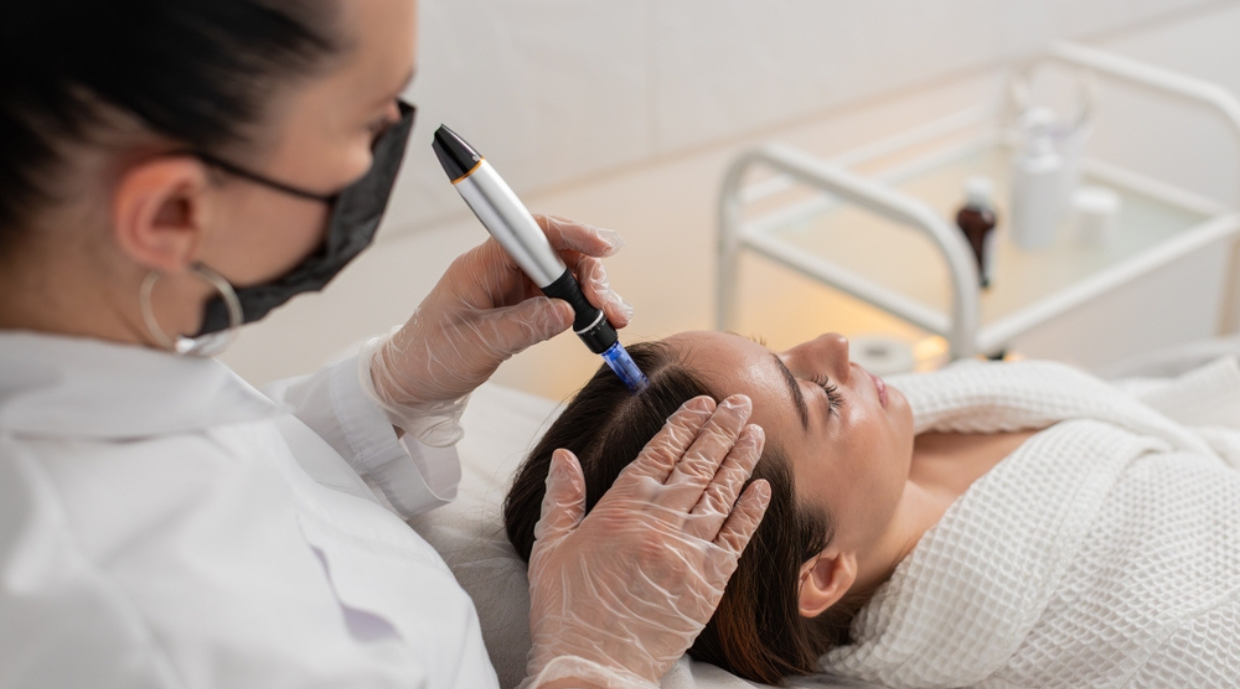
A full body whitening treatment is usually considered by people who want to improve uneven tanning, dull-looking skin or darker patches on different parts of the body. The aim should not be to completely change your natural skin colour. A better goal is to make the skin look more even, clear and healthy.
One important thing to know is that full body skin whitening is not permanent. Skin tone can change again because of sun exposure, friction, hormones, inflammation and daily habits. This is why long-term care is just as important as the treatment itself.
Before choosing any procedure, it helps to understand what can actually improve and what results are realistic.
1. What Does Full Body Whitening Really Mean?
The term “whitening” is commonly used, but in practical skincare it usually means reducing visible tanning, uneven pigmentation and dullness.
A full body skin whitening treatment may focus on areas such as the arms, legs, back, neck, elbows, knees or other places where the skin looks darker than the surrounding area.
Different people may have different reasons for uneven skin tone. For some, it may be tanning. For others, it may be repeated friction, old marks, irritation or pigmentation after inflammation.
This is why the treatment should be planned based on the cause, not just the colour of the skin.
2. Is Full Body Skin Whitening Permanent?
No, the results are not permanent in most cases.
Your skin naturally produces melanin, the pigment that gives skin its colour. Even after a treatment improves tanning or pigmentation, the skin can darken again if it is exposed to triggers.
Results may change over time because of:
- regular sun exposure
- friction from clothing
- hormonal changes
- new skin irritation
- poor sun protection
- untreated pigmentation conditions
So, full body skin whitening should be seen as a process of improving and maintaining skin tone, not as a one-time permanent change.
3. Why Can Skin Become Dark Again After Treatment?
Skin may become uneven again when the original cause is still present.
For example, if sun exposure caused tanning, the skin can darken again without proper sunscreen. If friction is causing pigmentation around the neck, thighs or underarms, the problem may continue unless the friction is reduced.
Some people also develop dark marks after pimples, rashes, waxing, shaving or scratching.
This means treatment is only one part of the solution.
Long-term improvement usually depends on both treating the existing pigmentation and reducing the factors that keep causing it.
4. What Treatments May Help Improve Uneven Body Skin Tone?
There is no single treatment that is suitable for everyone.
A dermatologist may recommend different options depending on the skin type, pigmentation depth and areas involved.
Treatment may include:
Topical skincare: Certain creams or serums may be used to gradually improve uneven pigmentation.
Professional exfoliation: Selected chemical peels may help remove surface buildup and improve the appearance of some types of pigmentation.
Device-based treatments: In some cases, laser or other energy-based procedures may be considered for specific concerns.
Maintenance skincare: Daily sun protection and suitable skincare are often needed to support the result.
A full body whitening treatment should always be customised. Stronger treatment does not automatically mean better treatment.
5. What Results Can You Realistically Expect?
Results depend on what is causing the uneven skin tone.
If the main issue is tanning or mild surface pigmentation, the skin may gradually appear brighter and more even with the right treatment.
You may notice:
- reduced tanning
- more even-looking skin tone
- gradual fading of some dark areas
- smoother-looking skin
- improved overall brightness
Some areas can take longer to improve than others. Elbows, knees and areas with repeated friction may respond more slowly.
It is also important to understand that your natural skin colour will remain. The goal is to reduce unwanted unevenness, not to create an unnatural shade.
6. How Long Can the Results Last?
There is no fixed time period for everyone.
Results may last longer when the cause of pigmentation is controlled and good skincare is continued.
The result may not last as long if:
- you spend a lot of time in the sun
- sunscreen is not used regularly
- the skin is frequently irritated
- friction continues in darker areas
- aftercare is not followed
- pigmentation has an underlying cause
This is why maintenance matters after a full body skin whitening treatment.
Some people may need periodic review or maintenance treatment depending on their skin.
7. What Aftercare Should You Follow?
Aftercare is important if you want to protect the improvement achieved through treatment.
A simple routine is usually better than using too many products at once.
After treatment, focus on:
- using sunscreen on exposed skin
- keeping the skin moisturised
- avoiding harsh scrubs
- reducing friction from tight clothing
- avoiding unnecessary bleaching products
- following the skincare plan advised by your dermatologist
If a professional treatment has made the skin temporarily sensitive, avoid introducing new strong products without guidance.
Good aftercare can also reduce the risk of irritation that may lead to new pigmentation.
8. Are All Skin Whitening Products Safe?
No. This is an important part of the discussion.
Products that promise very fast whitening or dramatic colour change should be approached carefully.
Unregulated creams may contain strong or unsuitable ingredients. Using such products for a long time, especially over large areas of the body, may irritate the skin or cause other problems.
Avoid choosing products only because they promise “instant fairness” or “permanent whitening.”
Before using a product over large areas, it is better to know:
- what ingredients it contains
- how often it should be used
- whether it is suitable for your skin
- how long it can safely be used
- whether it may react with other skincare products
Safe treatment should focus on skin health as well as appearance.
9. When Should You Get Your Skin Checked?
A professional skin assessment can be useful when pigmentation is widespread, keeps returning or has appeared suddenly.
You should also consider a consultation if:
- some areas are getting darker quickly
- pigmentation is not improving
- the skin is itchy or irritated
- the colour change is unusual
- home products have caused sensitivity
- you are unsure what is causing the problem
If you are considering a full body skin whitening treatment, understanding the cause first can help avoid unnecessary treatments and create more realistic expectations.
At Keza Skin & Hair Clinic, the treatment plan can be selected based on the type of pigmentation and the condition of the skin rather than using the same approach for everyone.
Conclusion
Full body skin whitening is not permanent. Treatment may help reduce tanning, dullness and uneven pigmentation, but the skin can darken again if triggers such as sun exposure, friction or irritation continue.
The most useful approach is to focus on improving uneven skin tone while protecting the natural health of your skin. Good sun protection, gentle skincare and treatment of the actual cause can make a big difference in maintaining results.
If you are considering a full body whitening treatment, a skin assessment can help you understand what improvement is realistic and which treatment may be suitable for your needs.
Frequently Asked Questions
1. Can full body whitening make skin permanently fair?
No. A full body whitening treatment cannot permanently change your natural skin colour. It may help reduce tanning or uneven pigmentation, but the skin can darken again over time.
2. How soon can I see results from full body skin whitening?
Results vary depending on the cause of pigmentation, the treatment used and your skin type. Some people may notice gradual changes over several sessions rather than an immediate result.
3. Can full body whitening help with tanning?
Yes, some treatments may help improve uneven tanning. However, continued sun exposure can cause tanning to return, so regular sun protection is important.
4. Is full body skin whitening safe for sensitive skin?
It can be, but treatment should be chosen carefully. Sensitive skin may react more easily to strong products or procedures, so a skin assessment is recommended first.
5. Do I need maintenance after full body skin whitening treatment?
Often, yes. Maintenance may include sunscreen, moisturiser, suitable skincare and occasional follow-up treatment depending on your skin and pigmentation concern.


