
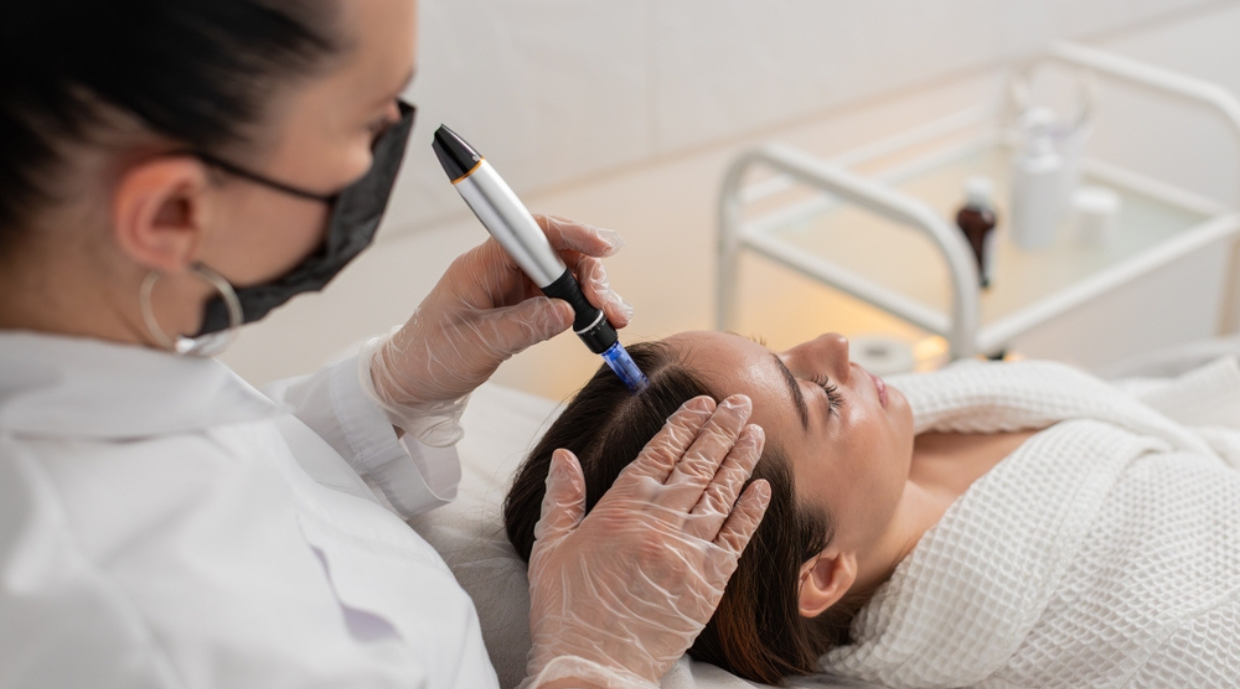
Uneven tanning, dark patches and dull-looking skin can make some areas of the body look different from others. This is where people often start searching for a full body whitening treatment.
Despite the name, the purpose of treatment should not be to completely change your natural skin colour. A more realistic goal is to reduce unwanted tanning, improve uneven pigmentation and help the skin look clearer and more even.
A full body skin whitening treatment can involve different approaches depending on why the skin has become darker. There is no single treatment that works for everyone. The first step is understanding the cause of the pigmentation and then choosing an option that suits the skin.
1. What Is Full Body Whitening Treatment?
Full body whitening treatment refers to skincare or professional procedures used to improve uneven skin tone across larger areas of the body.
Some people may have tanning on their arms and legs, while others notice darker areas around the neck, elbows, knees, back or other body folds.
Treatment may focus on concerns such as:
- uneven tanning
- dull-looking skin
- dark patches
- marks left after skin irritation
- uneven colour between different body areas
- rough skin that makes certain areas look darker
The treatment should be chosen according to the cause rather than simply trying to make all skin lighter.
Your natural skin colour is largely determined by melanin and genetics. A safe treatment should work with your natural complexion rather than promise an unrealistic permanent colour change.
2. How Does Full Body Skin Whitening Work?
Full body skin whitening mainly works by targeting the factors that make the skin look uneven or darker.
For example, some treatments help remove built-up surface skin cells. Others may be used to manage excess pigmentation or improve skin texture. Daily skincare and sun protection are also important because they help prevent further tanning and irritation.
A treatment plan may therefore involve more than one approach.
Someone with sun tanning may need a different plan from someone whose darker areas developed because of repeated friction.
This is why proper assessment matters. Treating the visible colour without understanding why it developed may lead to temporary or disappointing results.
3. Why Does Body Skin Become Darker or Uneven?
Skin does not become uneven for just one reason.
Sunlight is one of the most common causes. When skin is exposed to UV rays, it produces more melanin as part of its natural protective response. This is what creates tanning.
Friction can also contribute. Areas such as the neck, underarms, inner thighs, elbows and knees are regularly exposed to rubbing from clothes, movement or skin-to-skin contact.
Darkening may also follow irritation from shaving, waxing, rashes or scratching. Once the irritation settles, a darker mark can sometimes remain.
Understanding which of these factors is affecting your skin helps determine whether a full body skin whitening treatment is appropriate.
4. What Treatments May Be Used for Full Body Skin Whitening?
There is no single procedure known as the only full body whitening treatment.
Depending on your skin and pigmentation, a professional may recommend topical skincare, exfoliating procedures or selected device-based treatments.
Topical Skincare
Certain products may be recommended to gradually reduce uneven pigmentation and improve skin texture. These need to be chosen carefully because using very strong products over large areas can irritate the skin.
Professional Chemical Exfoliation
Selected chemical peels may help remove damaged surface cells and improve some forms of uneven pigmentation. The strength and type of peel should match the person’s skin type.
Device-Based Treatments
Some pigmentation concerns may be treated using suitable laser or energy-based technologies. These are not automatically suitable for every person, particularly when the skin is prone to irritation or post-treatment pigmentation.
The safest approach is usually the one that matches your actual concern rather than selecting the strongest available procedure.
5. What Results Can You Expect?
The results of a full body whitening treatment differ depending on the type and depth of pigmentation.
Someone with recent tanning may respond differently from someone who has had darker areas for several years.
Treatment may help the skin appear:
more even in tone
less tanned
brighter in dull areas
smoother in texture
clearer where mild surface pigmentation is present
Changes are generally gradual.
It is also important to remember that treatment does not erase your natural complexion. The aim should be to improve unwanted unevenness while keeping the skin healthy.
6. How Many Sessions May Be Needed?
There is no fixed number of sessions for full body skin whitening.
The treatment schedule depends on several factors, including the cause of pigmentation, areas being treated and the type of procedure selected.
Someone dealing mainly with mild tanning may have different needs from someone with stubborn pigmentation caused by repeated inflammation.
Your skin also needs enough time between some procedures to recover properly.
Trying to speed up results by undergoing stronger or more frequent treatments can sometimes irritate the skin and make pigmentation more noticeable.
This is why progress should be reviewed rather than following the same treatment schedule for everyone.
7. What Should You Do After Treatment?
Aftercare has a major influence on how the skin responds and how long improvements remain visible.
The skin may be temporarily sensitive after some treatments, so keeping your routine simple is important.
After treatment:
- apply sunscreen to exposed areas regularly
- keep the skin well moisturised
- avoid harsh body scrubs
- reduce unnecessary rubbing or friction
- avoid adding strong whitening products yourself
- use prescribed skincare exactly as advised
Sun protection is especially important. If treated skin becomes repeatedly tanned, the improvement can gradually reduce.
8. Is Full Body Whitening Treatment Safe?
Treatment can be performed safely when it is selected according to the person’s skin condition and carried out with appropriate professional guidance.
The problem often begins when people use unknown “instant whitening” creams or harsh home remedies across large areas of the body.
Very strong products may cause burning, dryness, irritation or increased pigmentation.
If something promises to make the skin dramatically lighter within a few days, be cautious.
A safe full body skin whitening treatment should involve realistic expectations, suitable ingredients and proper follow-up rather than promising an instant transformation.
9. Who Should Consider Full Body Whitening Treatment?
Treatment may be worth discussing if you have uneven tanning, persistent dullness or pigmentation across different body areas that is bothering you.
However, some changes in skin colour may need proper assessment before cosmetic treatment.
This is particularly useful when pigmentation develops suddenly, becomes thicker, causes itching or keeps getting darker despite skincare.
At Keza Skin & Hair Clinic, the first step can be identifying the type and possible cause of pigmentation. From there, a treatment plan can be chosen based on your skin rather than applying the same whitening procedure to everyone.
Conclusion
A full body whitening treatment is better understood as a way to improve uneven tanning, pigmentation and dull-looking skin rather than a method for permanently changing natural skin colour.
Treatment may involve skincare products, professional exfoliation or selected device-based procedures depending on the cause of the pigmentation. Results usually take time, and maintaining them requires good sun protection, gentle skincare and control of triggers such as friction and irritation.
If you are considering a full body skin whitening treatment, start with an assessment of your skin. Knowing why the pigmentation is present makes it easier to choose an appropriate and realistic treatment plan.
Frequently Asked Questions
1. What does full body whitening treatment actually do?
A full body whitening treatment aims to improve uneven tanning, pigmentation and dull-looking skin. It does not permanently replace or completely change your natural skin colour.
2. Does full body skin whitening work on dark elbows and knees?
It may help in some cases, but elbows and knees can look darker because of thicker skin, friction and dryness. The underlying cause should be considered when choosing treatment.
3. How quickly does full body skin whitening show results?
Results are usually gradual. The timeline depends on your skin type, pigmentation depth, treatment selected and how consistently you follow the recommended skincare and aftercare.
4. Can I use whitening creams along with professional treatment?
Only use additional products after checking that they are suitable for your treatment plan. Combining several strong products can irritate the skin and may make pigmentation worse.
5. Can full body whitening treatment remove a suntan?
A suitable treatment may help reduce uneven tanning over time. However, regular sun exposure can cause the skin to tan again, so ongoing sun protection remains important.


